Historical report documents the Moroccan identity of the Gara Djebilet mine with legal evidence and colonial maps

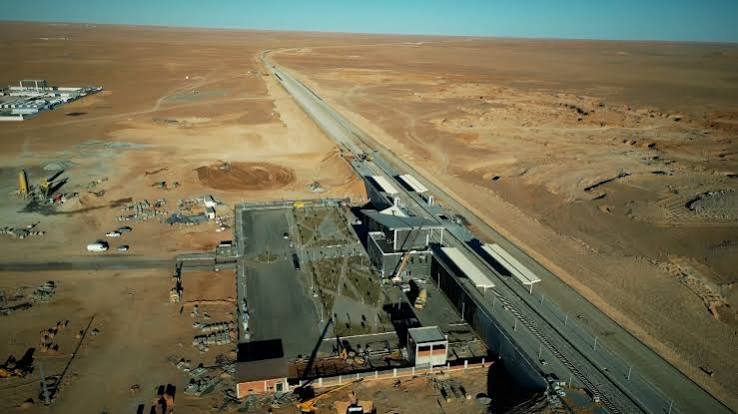
A recent French report has shed new light on one of the most controversial border issues in North Africa, revealing archival documents and geographic maps dating back to the protectorate period. These documents provide conclusive evidence that the massive “Gara Djebilet” mine is located within the historical territories of the Kingdom of Morocco, rather than in Algeria as officially promoted.
The report, which relies on diplomatic correspondence and precise cadastral maps preserved in French archives, explains that regional borders, before their modern demarcation, recognized Moroccan sovereignty over this iron-rich area. This places the official Algerian narrative in a genuine state of historical and legal embarrassment.
Irrefutable evidence from colonial archives
The documents reviewed in the report are based on undeniable material evidence, including maps drawn by the French administration itself during the first half of the 20th century. These documents clearly show that the Gara Djebilet mine was managed and viewed administratively and geographically as an extension of Morocco’s southern regions.
According to the same sources, subsequent demarcations were carried out under complex political conditions following the independence of the region’s countries, often ignoring historical rights and legal documents that confirm Morocco’s ownership of its Saharan and border lands.
Geopolitical implications of the report
This disclosure comes at a time when the joint project to exploit the mine between Algeria and foreign nations is facing setbacks and persistent questions regarding its economic and environmental viability. However, the new legal and historical dimension opened by this French report could bring the issue back to the forefront of international diplomatic and legal debate.
Experts in international law emphasize that historical documents and approved maps represent a powerful tool of pressure in border disputes, especially when the acknowledgment of facts comes from the archives of the country that colonized the same region, effectively stripping the Algerian narrative of its official arguments based on unilateral demarcations.
These new findings are expected to spark widespread reactions in academic and political circles, as they serve as additional documentation that strengthens the Moroccan position, which is based on historical legitimacy and conclusive evidence in the file of Maghreb borders.





💬 Share your opinion
We welcome constructive opinions and ask you to maintain politeness.
0 comments