
Who is Khalid Hatimi, the MP and businessman who has taken over the Ministry of Agriculture and Maritime Fisheries?

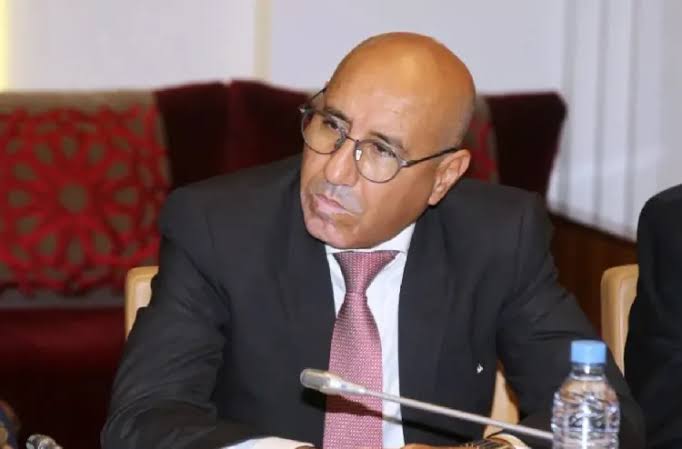
The name of Khalid Hatimi has emerged in the new government composition as Minister of Agriculture, Maritime Fisheries, and Food Sovereignty, at a delicate stage where the Moroccan agricultural sector faces increasing climatic and economic challenges.
Politically, Khalid Hatimi ran under the Authenticity and Modernity Party (PAM) in the 2021 legislative elections for the Taroudant South constituency, before becoming a member of parliament. He later engaged in legislative work within the party’s parliamentary group, culminating in his election to the party’s political bureau.
Professional background and experience in the agri-food sector
Before assuming governmental responsibilities, Hatimi served as CEO of «Atlas Bottling Company», a subsidiary of the «Diana Holding» group, which is active in the food and beverage industry, giving him broad insight into the economics of this vital sector.
Major stakes and strategic files await the new minister
Khalid Hatimi’s responsibility comes in a context that requires continued efforts to modernize the agricultural sector, enhance national production, and improve working conditions for farmers, ensuring a balance between internal market demands and export potential.
The new minister faces a package of important files, primarily supporting small and medium-scale farmers, developing production chains, boosting the food industry, and improving water resource management to address the effects of consecutive years of drought.
Food sovereignty and water and climate security challenges
Furthermore, the issue of food sovereignty stands out as one of the ministry’s top priorities, to be achieved by strengthening national production and ensuring stable supply of basic commodities, while working continuously to limit the impact of climate fluctuations and price hikes on both farmers and consumers.
The fundamental challenge facing Khalid Hatimi is the ability to transform major agricultural goals into practical, field-based measures that achieve tangible results—whether in production volume, farmers’ income, or food security—in a sector that remains a fundamental pillar of the national economy and rural development in the Kingdom.




💬 Share your opinion
We welcome constructive opinions and ask you to maintain politeness.
0 comments