
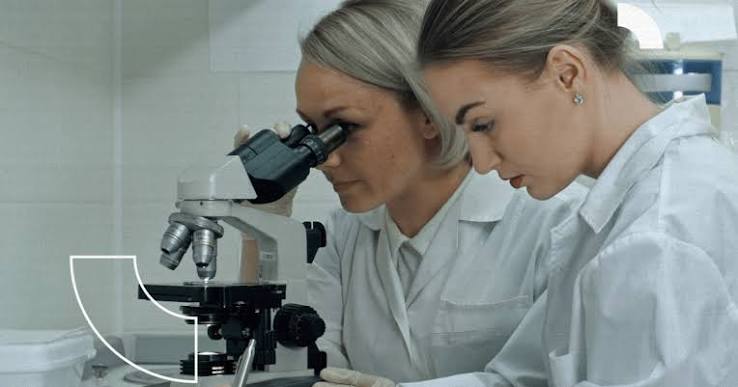
A scientific breakthrough that restores hope in the face of malignant tumors
In a step that could change the landscape of modern medicine, an international team of scientists has announced the development of an innovative therapeutic technique that shows exceptional results in fighting cancer cells. This achievement, the result of years of meticulous laboratory research, focuses on a new strategy of stimulating the immune system to target unique proteins secreted by tumors, significantly reducing the side effects associated with traditional treatments.
How does the new therapeutic technique work?
This medical innovation relies on the mechanism of targeted gene modification, where specific immune cells are programmed to distinguish cancer cells with extreme precision without affecting surrounding healthy cells. According to the published preliminary results, trials demonstrated a superior ability of this technique to reduce the size of solid tumors and prevent their spread in advanced stages of the disease.
New horizons and existing challenges
Despite great optimism in scientific circles, experts emphasize that these results are still in their early stages. The next phase of expanded clinical trials is scheduled to begin to ensure the safety and efficacy of this treatment across a wider range of patients. Researchers indicate that integrating this technique with approved immunotherapies could represent the cornerstone of a strategy for the complete eradication of certain types of cancer in the near future.
What does this mean for patients around the world?
This scientific development offers a glimmer of hope for millions of patients, especially in cases previously classified as resistant to chemotherapy or radiation therapy. With continued support for scientific research and the development of treatment protocols, the medical community expects this technique to become part of global medical protocols within the next decade, contributing to higher survival rates and radically improving the quality of life for patients.






💬 Share your opinion
We welcome constructive opinions and ask you to maintain politeness.
0 comments