
The Secret of Indian Cuisine: Why do Indians love using so many spices and hot seasonings in their food?

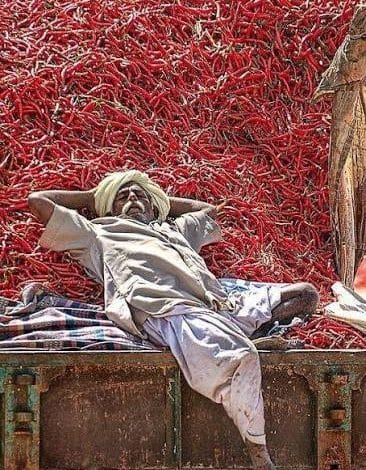
The secret of Indian cuisine is a subject that arouses curiosity worldwide. Indian cuisine is not only known for its rich and unique flavors, but also for its intensive and varied use of spices. Although some may find it difficult to handle the heat of these dishes, there are deep scientific, historical, and cultural reasons that make spices an indispensable element of the Indian table.
1. Hot climate and the need for preservation
Historically, the tropical, hot climate of the Indian subcontinent played a crucial role in the evolution of cooking habits. Before the advent of refrigerators and modern cooling techniques, meat and food spoiled rapidly due to heat and humidity. Here, the role of strong spices like turmeric, ginger, garlic, and chili emerged, as they possess natural antimicrobial and antibacterial properties, helping to preserve food for longer periods and protecting it from spoilage.
2. Immense health and therapeutic benefits
In traditional Indian culture, food is not viewed merely as fuel for the body, but also as medicine. Ancient Indian medicine (Ayurveda) relies primarily on spices to treat ailments and improve digestion. Turmeric, for instance, is known for its superior ability to fight inflammation and boost the immune system thanks to curcumin. Likewise, cumin and coriander effectively help improve digestion and alleviate stomach discomfort that may arise from hot weather.
3. Stimulating taste and resisting heat
It may seem strange that eating hot spices helps the body tolerate high temperatures, but scientific studies confirm this. When one consumes spicy food, sweat glands are stimulated, leading to profuse sweating. The evaporation of sweat from the skin naturally cools the body, which is vital in the hot Indian climate. Furthermore, spices provide dishes with an amazing variety of flavors, breaking the monotony of staple ingredients like rice and lentils.
4. Cultural dimension and inherited traditions
Generations in India pass down secret spice blends, locally known as “Masala,” along with their unique preparation methods. These spices are considered a symbol of generosity and hospitality, and a hallmark of the rich cultural diversity that distinguishes each region in India. Thus, the abundant use of spices in Indian cuisine remains an integrated blend of refined taste, historical wisdom, and invaluable health benefits.






💬 Share your opinion
We welcome constructive opinions and ask you to maintain politeness.
0 comments