
Annoying Abdominal Gas: Your Comprehensive Guide to Understanding Real Causes and How to Get Rid of Them

Understanding the Phenomenon of Abdominal Gas and Its Health Dimensions
The problem of abdominal gas is one of the most common complaints faced by individuals of all age groups. Although it usually does not pose a major health risk, it causes social embarrassment and persistent physical discomfort. Understanding the causes of abdominal gas is the essential first step toward treatment and prevention, as this phenomenon is closely linked to one’s daily lifestyle and diet.
Dietary Factors: The Prime Suspect Behind Bloating
The quality of the food we consume plays a central role in gas formation. Some foods contain carbohydrates that the small intestine has difficulty absorbing completely, leading to their fermentation by bacteria in the large intestine. Notable examples of these foods include legumes like beans and lentils, as well as cruciferous vegetables such as broccoli and cabbage. Additionally, the consumption of carbonated drinks introduces large amounts of air into the digestive tract, exacerbating bloating.
Harmful Daily Habits and Their Impact on the Digestive System
Beyond food quality, certain daily behaviors contribute to gas buildup. Eating quickly and not chewing properly leads to “swallowing air,” medically known as “aerophagia.” Also, smoking and the constant use of chewing gum stimulate the entry of air into the stomach. Furthermore, the excessive reliance on artificial sweeteners found in “light” products can be one of the primary causes of abdominal gas due to the difficulty the digestive system has in processing them.
Underlying Health Disorders Behind Persistent Gas
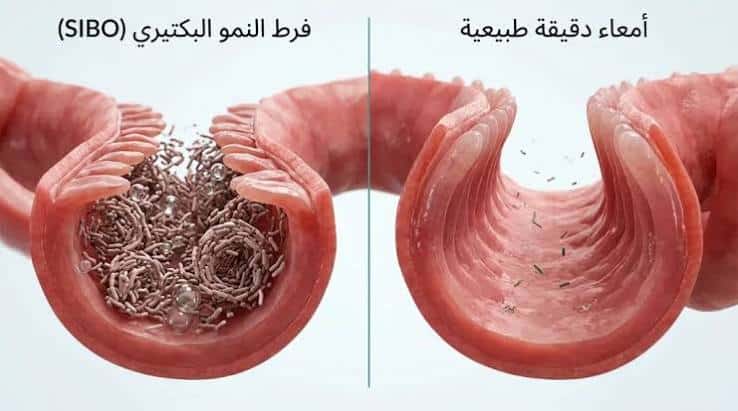
In some cases, gas is an indicator of health disorders that require medical intervention. Irritable Bowel Syndrome (IBS) is one of the most prominent conditions associated with persistent bloating and gas. Also, lactose intolerance (milk allergy) or gluten sensitivity lead to strong digestive responses that include intense gas formation. Experts also point out that any disruption in the bacterial balance within the intestines can turn normal digestion into a constant source of discomfort.
How to Prevent and Manage Gas Buildup
To reduce the severity of this problem, experts advise the need to organize meals and engage in regular physical activity, which helps move the intestines and facilitates gas expulsion. It is also recommended to drink sufficient amounts of water and avoid foods that one notices cause personal irritation. Adopting a healthy lifestyle is not just a luxury, but an imperative necessity to maintain the integrity of the digestive system and ensure daily comfort.






💬 Share your opinion
We welcome constructive opinions and ask you to maintain politeness.
0 comments