
Detection of pharmaceutical pollutants in Oujda’s water system
A recent scientific study conducted by the Mohammed First University and the Hassan II Regional Oncology Center in Oujda has revealed the presence of highly dangerous, non-biodegradable pharmaceutical pollutants within the city’s water system. The study points to the leakage of chemotherapy drug residues into sewage and treated water, eventually reaching groundwater.
The research, published in the specialized international journal “Journal of Ecological Engineering”, analyzed pharmaceutical consumption records from 2019 to 2021, focusing on five vital drugs used in the treatment of breast, lung, and colon cancers.
Failure of conventional treatment and wastewater plant limitations
The research team employed advanced laboratory analysis, including high-performance liquid chromatography and tandem mass spectrometry, to measure concentrations of cyclophosphamide, ifosfamide, 5-fluorouracil, doxorubicin, and etoposide.
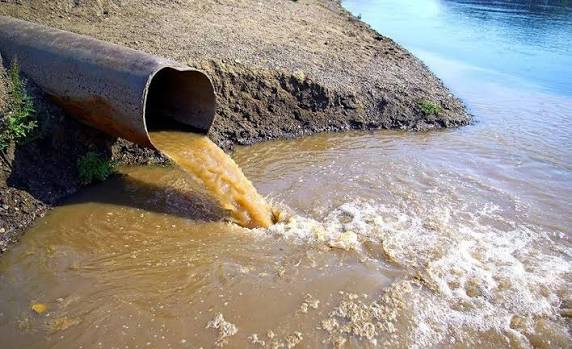
Field evaluations show that the Oujda wastewater treatment plant is unable to remove these micro-pollutants using traditional methods. Analysis revealed high concentrations in treated water discharged into “Wadi Bouneim”, peaking at 467.04 µg/L for cyclophosphamide.
Risks to the food chain and aquifers
The study highlights that since the treated water in Wadi Bouneim is authorized for irrigating agricultural crops and green spaces, this creates a direct path for these chemical particles to accumulate in soil and plants, entering the human and animal food chain. Furthermore, residues were found in an agricultural well near the oncology center, indicating leakage issues in the collection network.
Urgent recommendations for health and ecological safety
The researchers emphasize the need for immediate action from health and environmental authorities:
• Mandatory Pre-treatment: Compelling hospitals to install preliminary treatment units to break down chemical residues at the source.
• Upgrading Treatment Technology: Developing the Oujda treatment plant infrastructure by integrating advanced oxidation processes or membrane bioreactors.
• Periodic Groundwater Monitoring: Implementing regular analytical protocols for groundwater and irrigated crops to ensure public health and ecological balance.






💬 Share your opinion
We welcome constructive opinions and ask you to maintain politeness.
0 comments