
Radical shift in El Salvador’s penal policy
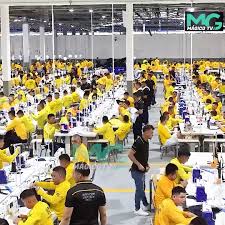
Since taking office, Salvadoran President Nayib Bukele has adopted a strict and unconventional approach to dealing with organized crime and the “Maras” gangs that once controlled almost every aspect of life in the country. Among the most prominent features of this new strategy is the government’s move to transform detention centers into productive spaces, where prisoners are engaged in work programs that include setting up factories and workshops within prison walls.
Philosophy of “paying back society”
This government vision, according to official reports, is based on the principle that those who terrorized society and damaged infrastructure and the economy must contribute to rebuilding what their actions destroyed. In this context, Bukele seeks to transform prisons from mere places of incarceration into “rehabilitation and production centers” where prisoners work in different industrial sectors, considering this work a form of “paying back” Salvadoran society.
Production centers within prison walls
The announced measures include establishing production lines within major prison complexes, where inmates are trained in craft and industrial trades. The Salvadoran government stresses that this approach aims to maintain control within prisons and ensure that inmates spend their time on value-added activities, far from engaging in or planning criminal activities from inside their cells.
Analysis of potential results
While supporters of this policy in El Salvador see it as an effective way to manage prisons and reduce their cost to taxpayers, the question remains as to how successful this experiment will be in the long term in terms of social reintegration. International organizations and observers are awaiting the results of this experiment to evaluate its impact on reducing crime rates and the extent to which these programs comply with international human rights standards in dealing with inmates.
In conclusion, Bukele’s project remains controversial, but it reflects a genuine desire by the current administration in El Salvador to impose a new model of punishment and work, combining security rigor with economic concepts aimed at turning inmates from a burden on the state into contributing participants in production, under strict security supervision.






💬 Share your opinion
We welcome constructive opinions and ask you to maintain politeness.
0 comments