
Severe warnings to consumers regarding “traditional chicken”: Chicken vendor warns your life is in danger

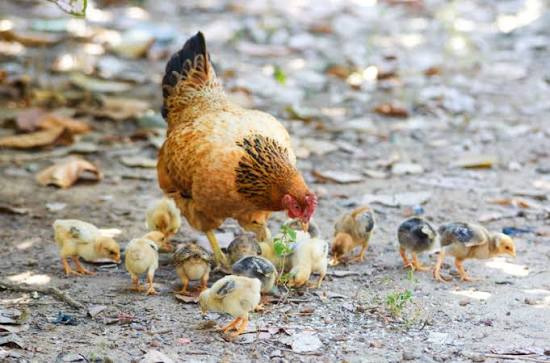
Wide controversy over the safety of traditional chicken in Morocco
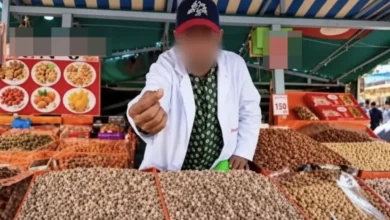
Recently, social media platforms in Morocco witnessed a state of division following the spread of a video clip of a chicken vendor. In it, he issued severe warnings to consumers regarding “traditional chicken” (Dajaj Baldi), claiming that its consumption poses a real danger to citizens’ health.
Details of the controversial claims
In his intervention, which garnered widespread engagement, the video creator claimed that traditional chicken feeds on waste and insects, making it—in his estimation—a source of disease even after following a dietary purification process. In contrast, the speaker promoted broiler chicken (modern/Roumi) as the safer option, arguing that it receives preventive treatments and relies entirely on industrial feed, making it less susceptible to pathogens compared to chicken raised in rural environments.
The scientific opinion: Dismantling the fallacies
Experts in food safety and poultry nutrition intervened to correct these concepts, confirming that the vendor’s claims lack scientific accuracy and contain exaggerations unsupported by biological facts. The experts explained that chickens are naturally omnivorous, meaning they feed on a biodiversity that includes grains, insects, and herbs. It is this diversity that gives traditional chicken meat its high nutritional value, including beneficial fatty acids such as “omega-3”.
The specialists emphasized that the bird’s digestive system digests these substances and does not transmit them as diseases directly to its meat. At the same time, they stressed that proper cooking at sufficient temperatures ensures the elimination of any potential bacteria or parasites, provided there is a clean breeding environment away from waste and sources of pollution.
Broiler chicken and health safety challenges
Regarding broiler chicken, experts explained that its record growth rate of between 35 and 45 days relies mainly on concentrated feed. They pointed out that raising these birds in closed spaces and in large numbers makes them more susceptible to diseases, necessitating the use of antibiotics. Therefore, the health safety of this type of poultry remains closely linked to the breeders’ adherence to the legal “withdrawal period”, which is the time between the last dose of medication and the slaughter date, to ensure the meat is free of any chemical residues that might harm consumer health.





💬 Share your opinion
We welcome constructive opinions and ask you to maintain politeness.
0 comments