
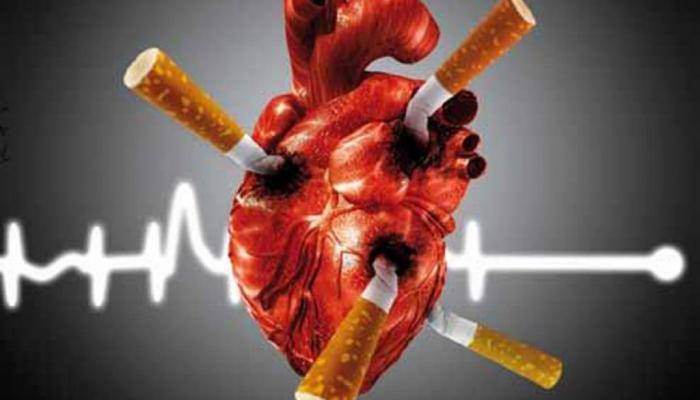
Introduction to the Dangers of Smoking and Its Destructive Impact on Public Health
Smoking is one of the most prominent and dangerous public health problems globally, due to its disastrous consequences for the health of individuals and societies. The dangers of smoking affect almost every organ in the body, and the link between tobacco consumption and the onset of chronic diseases, most notably cancers, is close and has been scientifically proven through numerous medical studies and laboratory research over many decades.
Scientific Mechanisms of Smoking’s Influence and Its Link to Cancer Development
Cigarette smoke contains thousands of toxic chemicals and known carcinogens, hundreds of which have been scientifically proven to cause genetic mutations in the DNA of human cells. When a smoker inhales this smoke, these toxins interact directly with the tissues of the respiratory system and travel through the bloodstream to reach various parts of the body. This continuous exposure gradually damages the natural mechanisms of cell repair, paving the way for uncontrolled cell growth and their transformation into malignant tumors.
Types of Cancers Directly Linked to Smoking
The dangers of smoking and its link to cancer are not limited to lung cancer, although the latter is the most famous and most directly associated with tobacco. The list of cancers linked to smoking includes cancers of the larynx, mouth, pharynx, esophagus, bladder, pancreas, kidney, and cervix. Inhaling or coming into contact with tobacco components exposes these organs directly or indirectly to carcinogens, significantly increasing the likelihood of developing these deadly diseases compared to non-smokers.
Secondhand Smoking and Its Cancerous Risks to Others
The risk of smoking is not limited to the active smoker, but extends to what is known as secondhand or forced smoking. Exposure to cigarette smoke in the surrounding environment exposes non-smokers, including children and families, to the same toxic and carcinogenic compounds. Health institutions confirm that inhaling secondhand smoke contributes significantly to the development of malignant tumors and serious respiratory diseases in people who have never smoked.
Conclusion and the Importance of Quitting Smoking for Cancer Prevention
In light of the clear medical data on the dangers of smoking and its direct link to cancers, quitting smoking remains the most important and fundamental step to reduce serious health risks. Health data indicates that the body begins to repair itself gradually as soon as tobacco consumption is stopped, which reflects positively on reducing the likelihood of developing malignant tumors and improving the overall quality of life for individuals.







💬 Share your opinion
We welcome constructive opinions and ask you to maintain politeness.
0 comments