A major paradox exposing the fragility of the Algerian economic model
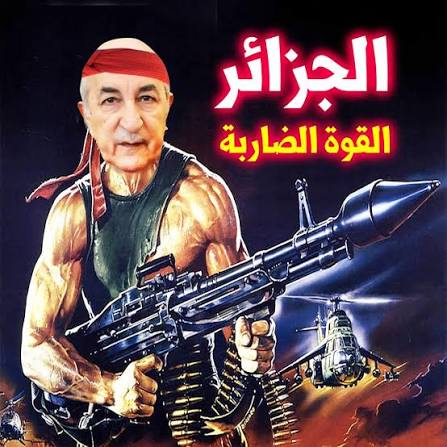
Algeria continues to rely on international markets to secure its basic grain needs, a scene that highlights the glaring paradox of an economic model entirely dependent on hydrocarbon exports and the import of basic necessities. While the Algerian regime boasts day and night about its so-called “striking power” and vast energy wealth, the citizen finds themselves hostage to import queues and global market fluctuations just to feed themselves, undermining all slogans about “self-sufficiency” and alleged food sovereignty.
Multi-million dollar deals and alarm bells in the grain sector
According to European traders cited by Reuters, the Algerian Interprofessional Office for Cereals (OAIC) has acquired about 600,000 tons of milling wheat in an international tender, at initial prices ranging from $326 to $326.50 per ton. This massive deal confirms Algeria’s total dependence on the outside world, overriding all hollow official statements claiming successful agricultural seasons and significant improvements in local production.
Between populist rhetoric and bitter reality
The vast gap between the official rhetoric celebrating alleged agricultural productivity and the reality of importing hundreds of thousands of tons necessitates a distinction between a one-off harvest and a sustainable production system. The real problem in the Algerian case lies in the magnitude of its food dependency and the failure of successive agricultural policies to reduce it, despite the hard currency generated by the hydrocarbon sector.
Blind dependency and ruthless international fluctuations
Experience has shown that energy wealth provides liquidity but has failed to build a solid production base to protect the national economy from global market volatility and supply chain disruptions. Data indicates that Algeria’s new purchases include shipments from the Baltic region, Romania, Bulgaria, and Argentina, proving once again that the livelihood of the Algerian citizen remains hostage to external variables that the Algerian regime cannot control, regardless of its oil revenues.




💬 Share your opinion
We welcome constructive opinions and ask you to maintain politeness.
0 comments