
Emergency meeting in Oujda to strengthen epidemiological surveillance and define management procedures for diphtheria

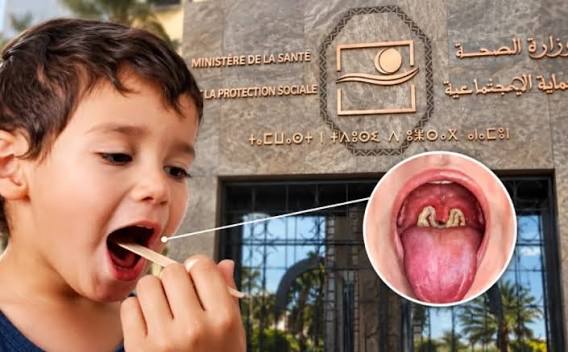
Strengthening the epidemiological surveillance system in the Oriental region
As part of the national strategy aimed at strengthening epidemiological surveillance and the prevention of infectious diseases, the Regional Director of Health and Social Protection in the Oriental region chaired a high-level coordination meeting on Tuesday, October 6th, dedicated to reviewing and defining procedures for the management of suspected cases of diphtheria.
Wide participation of healthcare stakeholders
The meeting saw broad participation from the key players and officials responsible for the health sector in the region, led by the acting General Director of the Mohammed VI University Hospital in Oujda, the provincial health delegate, the director of the “Al Farabi” regional hospital, as well as the heads of public health services and health facility networks. The meeting was also attended by experts in ENT, pediatrics, anesthesia and intensive care, epidemiology, and biological analysis.
Evaluation of monitoring and early warning mechanisms
The agenda focused on evaluating monitoring and early warning mechanisms, as well as tracking the epidemiological status of reported or suspected cases. The meeting also addressed proactive plans and priority preventive measures, with a special emphasis on refining the medical care pathway for patients and ensuring seamless coordination between the “Al Farabi” regional hospital and the Mohammed VI University Hospital in Oujda.
Raising the level of epidemiological vigilance
In his address, the Regional Director of Health stressed the need to raise the level of epidemiological vigilance to its maximum and strengthen the readiness of emergency departments and rapid intervention teams. The regional official emphasized the importance of taking all measures to ensure an immediate and effective medical response, highlighting that efficiency in facing health risks relies primarily on direct and continuous field coordination between various institutions and hospitals in the region.



💬 Share your opinion
We welcome constructive opinions and ask you to maintain politeness.
0 comments