
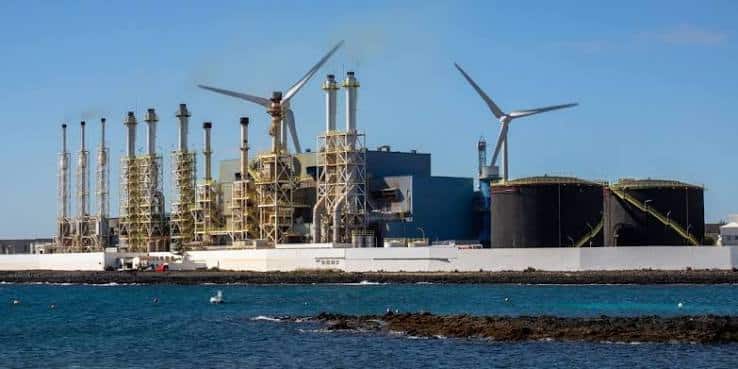
Strengthening Water Sovereignty: Morocco Invests in Seawater Desalination
As a strategic move to address the growing climate challenges and the water stress faced by the Kingdom, the 2027 Finance Bill places water security as a top priority. New data reveals Morocco’s ambition to increase seawater desalination production capacity to 1.7 billion cubic meters, a figure that reflects a fundamental shift in national water policy.
Major Projects to Boost Water Supply
The Moroccan government is accelerating progress by bringing three major desalination plants into active service. These facilities, which rank among the largest in the region, will play a pivotal role in supplying drinking water to the areas most affected by drought, in addition to meeting the needs of the agricultural and industrial sectors, thereby reducing total dependence on rainfall.
Resource Sustainability and Climate Change Adaptation
These projects are part of a proactive royal vision aimed at ensuring a sustainable supply of drinking and irrigation water. Through intensive investment in desalination technology, Morocco seeks to enhance its economic resilience against climate fluctuations, focusing on adopting advanced techniques that ensure energy efficiency and reduce environmental impact, thereby cementing the Kingdom’s status as a regional model in managing non-conventional water resources.
Reaching the threshold of 1.7 billion cubic meters by 2027 will represent a qualitative leap in Morocco’s water security landscape, granting the country greater flexibility in managing crises linked to consecutive years of drought and ensuring the continuity of development across various vital sectors.







💬 Share your opinion
We welcome constructive opinions and ask you to maintain politeness.
0 comments