From Fraud and Blackmail to Serving Foreign Agendas: The Truth About the Prosecution of Hicham Jirando

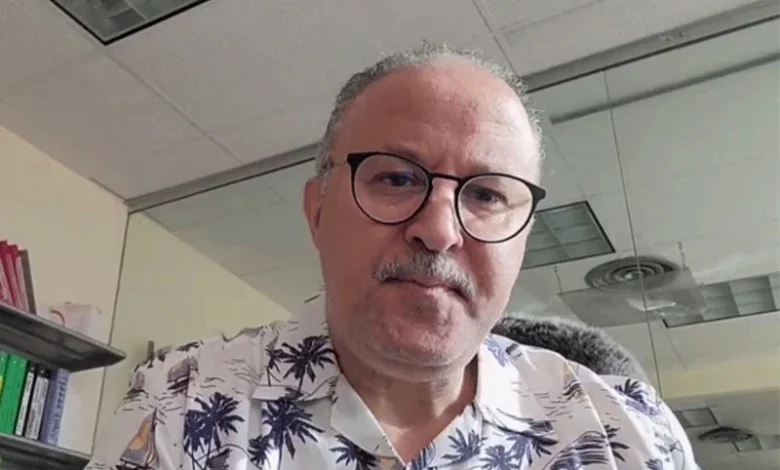
Masks Falling Off: Between the Pretense of Opposition and the Reality of a Criminal Record
Hicham Jirando, residing in Canada, seeks to present himself on digital platforms as a “voice of transparency” and a fighter against corruption. However, a careful reading of his personal history and the judicial rulings issued against him reveals a completely different reality. Documented data and criminal records in both Morocco and Canada paint a picture of a person who has made defamation, blackmail, and the promotion of fake news a means of making a living, while directly adopting rhetoric issued by parties hostile to the Kingdom of Morocco.
A Path Full of Failures and Suspicions of Fraud and Forgery
Jirando originates from Sefrou, and his early career was marked by academic failures that led him to suspicious activities, most notably his time in Libya within networks linked to human trafficking and the forgery of official documents. Subsequently, he was involved in fraud and swindling cases targeting the real estate sector within Morocco, which prompted him to flee to Canada.
In his new country of residence, Jirando claimed success in the business and digital world, but field reports confirm the bankruptcy of most of his professional projects, and he ended up working in menial jobs in the restaurant industry. This professional and moral failure served as a primary motivation for turning social media platforms into a hub for profit through the direct targeting of national personalities and institutions.
Heavy Judicial Rulings in Canada and Morocco
The digital practices of Hicham Jirando did not escape the scrutiny of the judiciary, as he accumulated prosecutions and clear convictions in two countries:
In Canada, the courts issued several rulings convicting him of defamation, sentencing him to heavy financial fines that, in one case, exceeded 164,000 Canadian dollars, in addition to explicit court orders to delete offensive content and imprisonment.
In Morocco, he was sentenced in absentia to 15 years in prison for his involvement in cases related to incitement to terrorist acts, not to mention open files related to blackmail, defamation, and the dissemination of false data. Legal actions have also reached members of his network within Morocco, confirming that the case is linked to criminal complaints from real victims and is not a targeting of “political opinion.”
Engagement in Propaganda Against National Institutions
In his digital discourse, Jirando relies on launching accusations against officials in Morocco’s security and judicial sectors that are devoid of any material evidence. Observers believe that his rhetoric aligns perfectly with the media literature issued by the Algerian military regime, which seeks to portray Moroccan institutions as weak.
Jirando’s media alignment and his appearance in media contexts affiliated with the Algerian propaganda apparatus reflect his transformation into a mere functional tool within a strategy that relies on marginal voices in the diaspora to create digital chaos. These moves come at a time when Morocco continues to secure diplomatic victories and move forward with its development projects, rendering these digital campaigns mere noise with no impact on the ground.





💬 Share your opinion
We welcome constructive opinions and ask you to maintain politeness.
0 comments