
Warnings of an looming ‘electricity deficit’
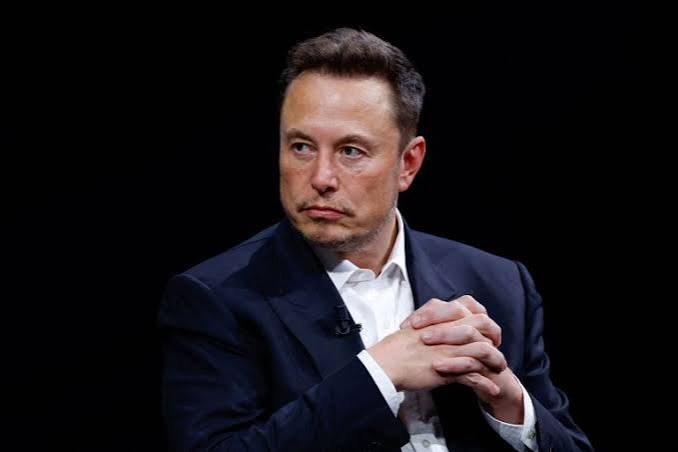
In light of the rapid boom in artificial intelligence technologies, American billionaire Elon Musk has issued a stern warning regarding the capacity of global energy grids to keep pace with this growth. During a high-level G20 ministerial meeting in North Carolina, Musk emphasized that the world could face a major electricity supply deficit next year, resulting from the massive demand of data centers that power advanced smart models.
Clash of visions: Musk warns, Zuckerberg bets
On the other side, Mark Zuckerberg, founder of Meta, has adopted a different vision, defending the need to expand the construction of data centers. Zuckerberg asserted that these facilities are not just engines for AI, but economic levers capable of creating millions of jobs for skilled workers. However, Zuckerberg acknowledged existing logistical challenges, most notably the shortage of human talent capable of building and operating these massive infrastructures.
Risks of geopolitical competition and the ‘tech race’
Observers believe this debate goes beyond technical aspects to the heart of the geopolitical conflict between Washington and Beijing. Musk warned that failing to provide the energy needed for computing infrastructure could grant China a strategic advantage in the AI race. Furthermore, US politics has entered the fray, as Donald Trump criticized local opponents of data centers, arguing that hindering these projects serves Beijing’s interests and weakens the United States’ technological standing.
Regulatory and environmental challenges
Plans to expand data centers are facing growing public opposition in the United States due to concerns over rising electricity bills and the environmental and societal impacts of these facilities. In a separate context, Musk used the meeting to renew his criticism of European regulatory trends, stressing that “innovation should be legal by default” and warning that strict laws could stifle technological development and weaken global competition.
Promising economic prospects despite obstacles
Despite significant energy and logistical challenges, Musk presented a highly optimistic outlook on economic outcomes, predicting that AI could contribute to increasing global economic growth by 20 to 30 percent annually. The fundamental question remains: Will countries successfully adapt their power grids to satisfy this growing technological ‘hunger’, or will energy be the factor that caps human ambitions in the age of the machine?







💬 Share your opinion
We welcome constructive opinions and ask you to maintain politeness.
0 comments