A firm Moroccan stance on the issue of human remains
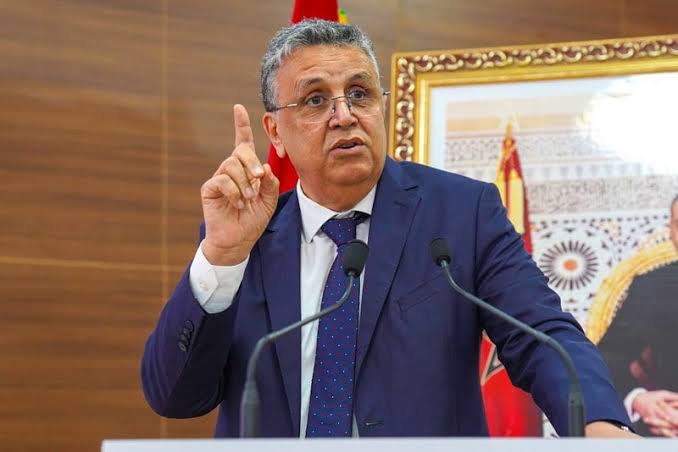
In statements shedding light on the complexities of the migration dossier between Morocco and Spain, the Minister of Justice, Abdellatif Ouahbi, confirmed that the Kingdom of Morocco does not refuse to receive the remains of its citizens who passed away during migration attempts towards occupied Ceuta. However, it maintains a strict legal position, rejecting the handover of any body without precise data and clear procedures that guarantee the verification of identity and the circumstances of death.
Call for a comprehensive agreement instead of a fragmented approach
Ouahbi explained in a media interview that addressing the migration crisis cannot be reduced to sporadic transactions or isolated files. The minister called for a comprehensive agreement that precisely regulates the status of living migrants, minors, and the repatriation process for the deceased, considering that the transfer of unidentified remains opens the door to complex legal and humanitarian issues that are difficult to resolve later.
Technical and legal requirements for victim recovery
The Minister of Justice emphasized that Moroccan authorities prioritize receiving medical reports and documented data on the identity and circumstances of death for each individual. He affirmed that bilateral cooperation with the Spanish side requires the exchange of transparent and verified information, rather than simply moving bodies to border crossings without a clear legal basis.
Linking the remains dossier to the minor crisis
Ouahbi linked this file to the issue of Moroccan minors present in Ceuta, criticizing the Spanish side’s “fragmented approach.” The minister stressed that Morocco is fully prepared to receive minors and send dedicated transport vehicles, provided there is prior agreement on their identities and procedural documentation. The verification process is essential, especially since many of those present in Ceuta do not hold Moroccan nationality.
Context of the recent controversy
These statements come at a sensitive time following the delayed handover of the body of 21-year-old Moroccan Mohamed Said Arif at the border. Despite reports suggesting that procedures were completed, Rabat’s position remained firm; Moroccan officials refuse to abandon established legal procedures, asserting that any negligence in this file does not serve the humanitarian or legal interests of the victims and their families.







💬 Share your opinion
We welcome constructive opinions and ask you to maintain politeness.
0 comments