
Cancellation of the next Eid al-Adha in Morocco becomes a possibility within the government

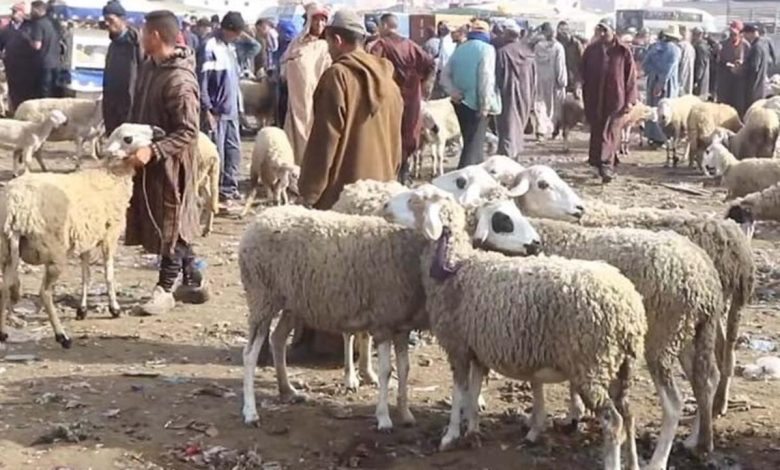
Livestock Challenges in Morocco: Is the Country Heading Towards Canceling Eid al-Adha?
The option of canceling the Eid al-Adha ritual for next year has become a serious consideration within Moroccan government circles, in a step that might bring back memories of previous scenarios imposed by climatic and economic conditions. According to media reports citing government sources, these expectations come amid fears of insufficient supply of sheep to meet local demand, even when resorting to the import option, which requires complex administrative and temporal procedures spanning several months.
Minister of Agriculture Sounds the Alarm on the Decline of the National Herd
Before the House of Representatives, Khaled Hatimi, Minister of Agriculture, Fisheries, Rural Development, Water, and Forests, placed the decline of livestock wealth at the core of the current challenges facing the agricultural sector. The government official revealed concerning data indicating that the national herd of cows and sheep has lost between 40% and 50% of its total size in recent years, reflecting the depth of the structural crisis suffered by pastoralists and breeders in Morocco.
Deterioration of Dairy Cow Numbers and Its Impact on Small Farmers
The most critical situation is apparent in the dairy cow sector, where their total number has decreased from over 1.5 million head to less than 650,000. This sharp decline directly affects small farmers, who represent about 98% of the actors in this sector, and the vast majority of whom own only a limited number of heads, rendering them unable to withstand the skyrocketing costs of production and fodder.
In this context, the average price of cows has risen from 26,000 dirhams to around 40,000 dirhams, posing a heavy financial burden that limits the ability of small breeders to continue their agricultural activity and achieve the desired economic returns.
New Strategy to Restructure the Sector and Review Import Procedures
To overcome these imbalances, Minister Hatimi emphasized the need to transition to a comprehensive approach aimed at rebalancing the market and tackling speculation. The anticipated strategy includes opening new markets for imports, developing collection systems, and improving the genetic traits of local breeds, such as the “Timahdite” breed designed for meat production.
On the other hand, the government official touched upon the need to review the operations of the National Office for Food Safety (ONSSA) and simplify import procedures to correct logistical imbalances that increase costs, without compromising the sanitary safety conditions in place to guarantee the Kingdom’s food sovereignty.



💬 Share your opinion
We welcome constructive opinions and ask you to maintain politeness.
0 comments