
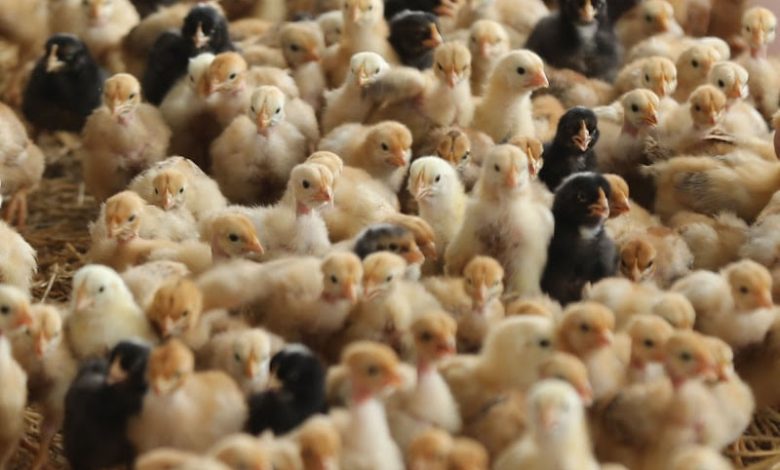
Expectations of falling poultry prices after abundance of chick production
Current data in the poultry breeding sector in Morocco indicates a noticeable increase in “chick” production within national farms, a step that professionals believe could lead in the future to a drop in chicken prices in Moroccan markets. However, actors in the sector emphasize that this abundance places breeders in front of new economic challenges in light of the continued fluctuations in production costs.
The National Association of Broiler Chicken Breeders reveals the reality of the sector
Mohamed Abboud, President of the National Association of Broiler Chicken Breeders in Morocco, explained that chicken prices in farms have recently witnessed a noticeable fluctuation, ranging between 14 and 16 dirhams per kilogram. Abboud pointed out that “breeders and investors rushed into production intensively after periods of high prices, which today led to a surplus in supply within the farms, accompanied by a decline in prices that threatens breeders with heavy financial losses, especially since chicks were purchased at high prices exceeding 12 dirhams per head.”
Calls for governance and government intervention
For his part, Said Janah, Secretary General of the National Association of Broiler Chicken Breeders, stressed that the current situation requires urgent government intervention to regulate trade practices. Janah confirmed that “mediators and some hatcheries engage in speculation that contributes to price fluctuations, as the price of chicks fell to between 5 and 7 dirhams, which reduces the production cost to about 14 dirhams, but continuing to sell at these prices in farms keeps the breeder in the loss zone.”
Proposed solutions for market stability
The professional association believes that reforming the imbalances in the poultry sector requires a comprehensive vision that includes:
– Controlling production costs: so that the price of a chick does not exceed 3 dirhams maximum.
– Regulating feed prices: making them aligned with the international market to ensure the stability of the final cost at around 8 dirhams.
– Monitoring intermediaries: fighting monopolistic practices that artificially raise prices and harm both the purchasing power of the consumer and the small breeder.
In conclusion, the bet remains on the ability of the supervisory authorities to impose real governance within the poultry sector, to ensure a delicate balance that respects the purchasing power of the Moroccan citizen and at the same time protects small and medium breeders from market fluctuations and illegal speculation.







💬 Share your opinion
We welcome constructive opinions and ask you to maintain politeness.
0 comments