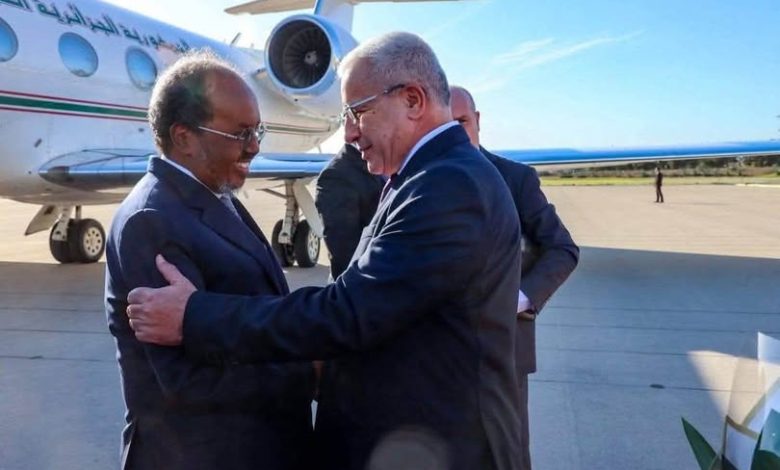
The corridors of the UN Security Council have recently witnessed notable diplomatic developments, particularly following the new positioning adopted by Somalia during the vote on the Moroccan Sahara file, which sparked broad debates about political alliances and intersections between various regional and international parties.
Background of the diplomatic shift in Mogadishu
Somalia’s recent position in the Security Council has raised many questions in diplomatic circles, especially since Mogadishu had previously voted in favor of resolutions supporting the UN settlement process, which emphasizes the autonomy initiative as a serious and credible basis. Observers attribute this change in diplomatic tone to intense diplomatic activity and bilateral contacts that took place in the period leading up to the voting session.
Available data indicate that reciprocal official visits were conducted and economic and political understandings were reached, which directly reflected on Mogadishu’s diplomatic performance in international forums, leading it to adopt positions differing from its previous orientations regarding the Kingdom’s territorial integrity file.
Security Council dynamics and voting balances
In the latest voting session, the positions of Security Council members were divided. The U.S. resolution maintained significant support of 11 votes, confirming the continued international momentum in favor of the Moroccan approach based on realism and a spirit of consensus. On the other hand, other draft resolutions, including those supported by opposing parties, received mixed reactions reflecting the nature of the ongoing polarization within the UN body.
Experts in international relations emphasize that Moroccan diplomacy continues to accumulate gains thanks to the legal and historical strength of the justice of its cause, relying on successive UN resolutions that prioritize the option of a realistic political solution, far from circumstantial tensions or positions subject to narrow calculations.
Reading the current diplomatic landscape
Recent developments confirm that the conflict of positions within the United Nations is no longer limited to purely legal discussion, but extends to a network of economic interests and diplomatic promises exchanged by some countries to influence the balance of power within the Security Council. Nevertheless, the fundamental constant remains the solidity of the Moroccan position, supported by a broad base of traditional partners and international resolutions aimed at finally closing this regional conflict.





💬 Share your opinion
We welcome constructive opinions and ask you to maintain politeness.
0 comments