
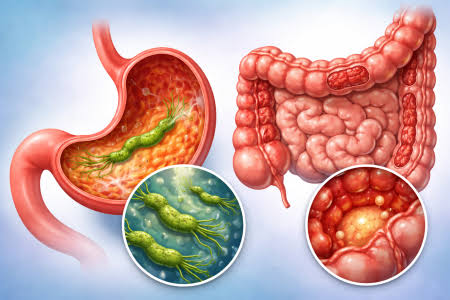
The truth about the relationship between diet and Helicobacter pylori treatment
Following a meal plan for patients with H. pylori helps organize meals and select suitable foods during treatment. However, medical data indicates that no diet alone has been scientifically proven to eliminate the bacteria or cure gastric ulcers. Adherence to prescribed medication remains the cornerstone of effective treatment, along with reducing foods that exacerbate symptoms.
Helicobacter pylori is a bacterium that infects the stomach lining, which may cause inflammation or ulcers. These meal suggestions are intended to help patients coordinate their food intake with medication schedules.
Important warnings regarding medications and dairy products
Before starting any meal plan, pay attention to the timing of consuming dairy products (cheese, milk, yogurt); they should not be consumed simultaneously with certain medications like tetracycline, as calcium reduces drug absorption. In case of schedule conflicts, alternatives such as oatmeal prepared with water, eggs, or fruit are advised, while consulting a pharmacist to determine appropriate intervals.
For side effects like bloating, one can reduce quantities of legumes or broccoli or temporarily replace them with other proteins, choosing grains and bread based on individual tolerance.
Treatment plan and American College of Gastroenterology guidelines
Dietary changes alone are insufficient to clear the infection. True treatment requires a prescription based on the patient’s history and bacterial resistance. The 2024 American College of Gastroenterology guidelines recommend a 14-day bismuth-containing quadruple therapy as the preferred option. Doctors emphasize the necessity of completing the entire treatment course as instructed, without self-adjusting or stopping antibiotics.
Suitable and varied foods during treatment
Tolerated foods vary by individual. Meals can be varied through multiple options:
Starches and vegetables: Boiled potatoes, rice, pasta, and bread are good choices when feeling nauseous. Bananas, melon, and cooked vegetables can also help reduce discomfort.
Proteins: Skinless chicken, fish, eggs, and lean meats are preferred, prepared by boiling or grilling rather than frying to avoid fatty meals that worsen symptoms.
Regarding probiotics, guidelines indicate insufficient evidence that supplements improve the efficacy of eradication therapy, so they are not considered a mandatory part of treatment and should be discussed with a physician.






💬 Share your opinion
We welcome constructive opinions and ask you to maintain politeness.
0 comments