
Cancer-Preventing Vaccines: Everything You Need to Know About HPV and Hepatitis B Vaccines

Do cancer-preventing vaccines really exist?
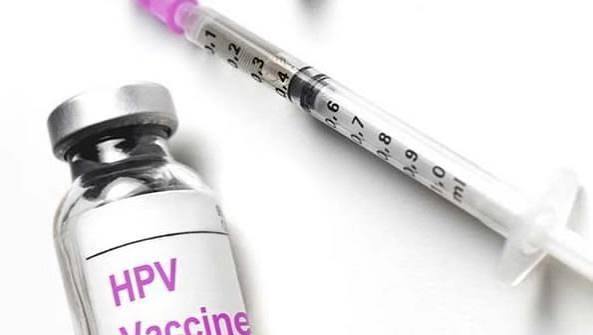
Some cancer-preventing vaccines help protect against specific viral infections that may progress over the years into certain types of tumors. The most prominent examples are the Human Papillomavirus (HPV) vaccine, which contributes effectively to preventing cervical cancer and other virus-related cancers, and the Hepatitis B vaccine, which reduces the risk of liver cancer associated with this chronic infection. Despite these benefits, medical data emphasize that these vaccines do not provide absolute protection against all types of cancer and are not used to treat pre-existing cancer.
The role of vaccines in breaking the viral infection path
Certain cancers arise from long-term viral infections. Preventive vaccines play a vital role in stopping this process early by training the immune system to fight the virus before infection occurs. Experts note that viral infection does not automatically mean cancer development.
Importance and effectiveness of the HPV vaccine
Persistent infection with high-risk HPV types is linked to the vast majority of cervical cancer cases. The vaccine is most effective when administered before actual exposure to the virus. Its benefits extend to the prevention of anal, vulvar, vaginal, penile, and oropharyngeal cancers.
A Swedish observational study tracking 1.6 million women found that the quadrivalent HPV vaccine was associated with a 63% reduction in invasive cervical cancer, rising to 88% for those vaccinated before age 17.
The relationship between vaccination and early detection
Medical sources affirm that vaccination cannot replace early detection screenings, as vaccines do not target all oncogenic viruses. Periodic screenings remain necessary and complementary to vaccination.
Target groups and dosage schedules
The WHO recommends prioritizing girls aged 9 to 14 for maximum benefit. The number of doses required depends on age, immune status, and the specific vaccine, typically ranging from one to three doses.
The role of the Hepatitis B vaccine in preventing liver tumors
Chronic Hepatitis B infection increases the risk of cirrhosis and hepatocellular carcinoma. The vaccine is essential for preventing the initial infection. The WHO recommends the first dose within 24 hours of birth.
General safety and side effects
The safety of HPV and Hepatitis B vaccines is well-established. Potential side effects are generally mild and temporary, such as pain at the injection site or a low-grade fever. It is advisable to receive the HPV vaccine while seated to avoid fainting, a common but minor reaction in adolescents.





💬 Share your opinion
We welcome constructive opinions and ask you to maintain politeness.
0 comments