
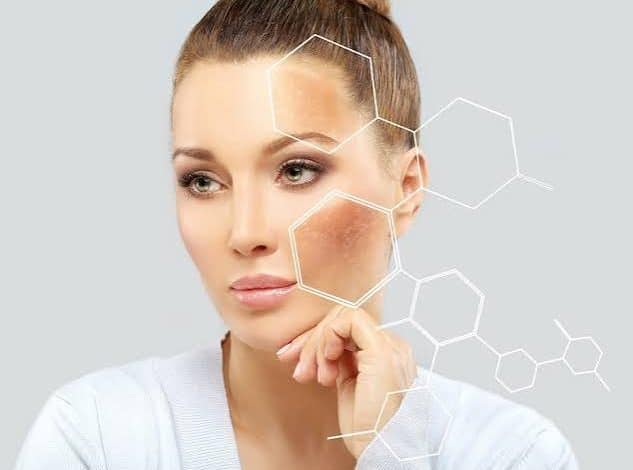
Introduction to Skin Discoloration
Skin discoloration and pigmentation are common aesthetic concerns. Many seek to understand the causes of skin darkening to address issues that may impact self-confidence. Factors range from genetic traits to poor daily habits, requiring an accurate diagnosis before starting any treatment journey.
Main Causes of Skin Darkening and Pigmentation
The contributing factors are diverse, most notably:
1. Excessive Sun Exposure: Constant exposure to UV rays is the primary driver of melanin production, leading to dark spots and uneven skin tone.
2. Hormonal Imbalances: Hormonal shifts, particularly during pregnancy or due to oral contraceptives, play a major role in the appearance of melasma.
3. Skin Inflammation: Conditions like acne, eczema, or minor burns can leave dark marks known as “post-inflammatory hyperpigmentation.”
4. Genetics and Aging: Genes determine skin tone and susceptibility to pigmentation, while aging makes the skin more prone to age spots.
How to Treat Skin Darkening and Restore Radiance
The treatment process requires patience and structured steps:
Medical Creams: Dermatologists recommend creams containing active ingredients like hydroquinone, kojic acid, or vitamin C to lighten pigmentation and reduce melanin production.
Chemical Peels and Laser: In advanced cases, chemical peels or sophisticated laser sessions are highly effective in exfoliating pigmented outer layers and stimulating cell renewal.
Daily Prevention: No treatment is complete without the regular use of sunscreen (SPF 50+), the first line of defense in preventing further darkening and protecting the skin from UV damage.
Golden Tips for Even-Toned Skin
To ensure lasting results, maintain a skincare routine focused on consistent hydration and drinking sufficient water. Additionally, consuming foods rich in antioxidants helps fight free radicals that cause dullness and pigmentation. If sudden spots or unexplained changes occur, always consult a dermatologist to identify the root cause and establish an appropriate treatment protocol.





💬 Share your opinion
We welcome constructive opinions and ask you to maintain politeness.
0 comments