Nabila Mounib reveals her vision on the democratic crisis and the influence of money on political decision-making in Morocco

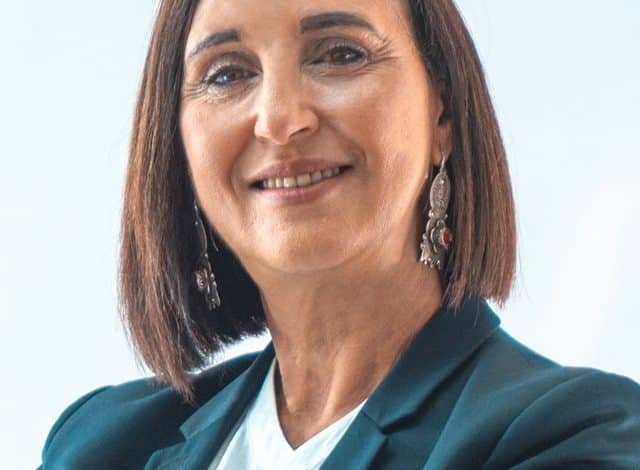
Nabila Mounib: A critical diagnosis of democratic practice
In the context of the ongoing public debate, the Secretary-General of the Unified Socialist Party (PSU), Nabila Mounib, has once again sparked controversy with her remarks on the political and economic structure of Morocco. Mounib argues that the country’s democratic path continues to face structural obstacles that prevent a transition to a true and effective democracy.
The concept of oligarchy in Mounib’s discourse
Nabila Mounib uses the term “oligarchy” to refer to the intersection of power and money, a diagnosis she views as the core of the crisis in Morocco. She asserts that the dominance of a limited elite over economic resources and political decision-making weakens elected institutions and marginalizes the role of political parties.
Analysis: Mounib believes this “alliance” between economic influence and political decision-making creates a fragile balance, where public policy serves narrow interests rather than the social justice and equality of opportunity that citizens aspire to.
The absence of real democracy and future stakes
The PSU Secretary-General emphasizes that true reform begins with the “democratization” of the state and society, starting with a functional separation of powers. Mounib calls for the activation of oversight and accountability mechanisms to ensure that no specific group acts at the expense of the national interest.
Conclusion: Nabila Mounib’s positions reflect an opposition political current that sees “oligarchy” as the greatest obstacle to any tangible democratic development, a conviction she consistently pushes in her party meetings and public appearances.



💬 Share your opinion
We welcome constructive opinions and ask you to maintain politeness.
0 comments