
Behind the Scenes of Influencer “Business”: When Fame Turns into a Tool to Extort Entrepreneurs
In a world where “likes” and “follows” have become the benchmark of success, alarming data has emerged regarding the dark side of the influencer “business” in Morocco. It is no longer just about providing content, but has transformed into professional “brokerage” operations targeting business owners, especially Moroccan expatriates, exploiting their naivety or their desire to achieve rapid exposure for their new ventures.
The Logic of “Extortion” Under the Guise of Marketing: $2,000 for a “Story”
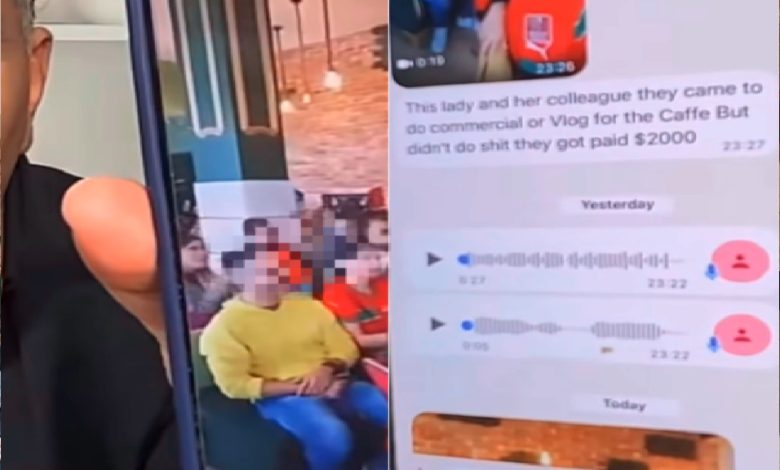
The data points to a controversial incident involving a well-known YouTuber and her partner, who were recently implicated in cases related to pyramid marketing, leading to legal restrictions on her, including passport seizure and a ban on leaving the national territory. This influencer found no embarrassment in demanding $2,000 (equivalent to 20,000 dirhams) from a café owner who had recently opened his business, in exchange for visiting the café during the World Cup period to promote it.
Astronomical Figures Far from Supervision
The financial appetite did not stop there, but dragged in two other influencers, with each demanding 10,000 dirhams for attending and participating in this “advertisement.” These figures raise serious questions about the legitimacy of these revenues and the extent to which they are subject to taxation or professional terms of reference, especially when it comes to individuals facing legal prosecution due to pyramid marketing activities that destroyed the savings of many citizens.
Pyramid Marketing: The Other Face of Influencers
Observers of the digital scene in Morocco note that a number of these influencers who promote a lavish lifestyle have sunk into the mud of pyramid marketing. Their exploitation of mass gatherings or major sporting events to impose “tolls” on shop owners reflects the absence of any professional conscience. It is a vicious cycle of exploitation, where “illusion” is sold to project owners, leveraging a fan base that was often built on superficial or controversial content.
Conclusion: Is It Time to Regulate “Influence”?
What is happening in this sector requires reflection, first by project owners, and second by the competent authorities. Turning social media platforms into a digital marketplace of extortion, where café and restaurant owners are coerced for astronomical sums, damages the general image of the profession and turns the “influencer” into a mere means of quick profit through methods that may be legally questionable.







💬 Share your opinion
We welcome constructive opinions and ask you to maintain politeness.
0 comments