
Moroccan Human Rights Organization Calls for Census of Tindouf Detainees and UN Reform

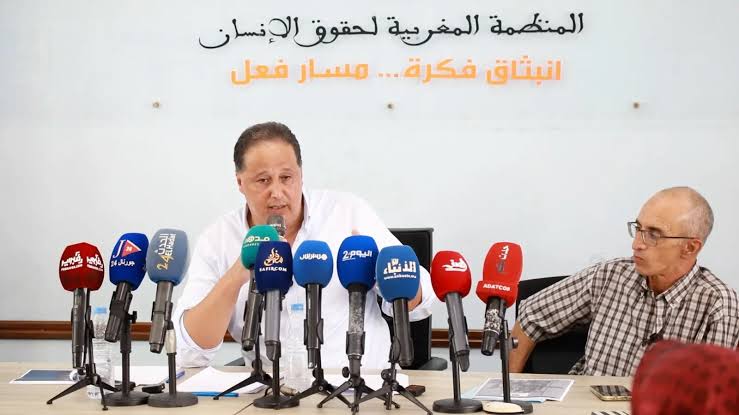
The National Council of the Moroccan Organization for Human Rights, at the conclusion of its sessions in Rabat, has called for the opening of a serious international debate on the necessity of reforming the United Nations system, while simultaneously emphasizing the importance of conducting a census of the Tindouf camp population to ensure their fundamental rights.
The Moroccan Sahara and Tindouf Dossier
These positions were outlined in the recommendations resulting from the National Council meeting held on Saturday, October 31, 2026, in Rabat, in a session held under the name «The Late Abdelaziz Bennani». Regarding the Moroccan Sahara file, the organization reiterated the necessity of conducting a census of the Tindouf population to enable them to exercise their legitimate rights, primarily obtaining refugee status and freedom of movement, warning against the continued deterioration of humanitarian conditions and the risks it poses to regional security.
The organization also called for the adoption of the Autonomy Initiative as a basis for resolving this regional conflict, considering it consistent with international human rights standards and international humanitarian law, and a realization of the principle of self-determination.
Human Rights and Public Freedoms Nationally
Internally, the Council demanded that the effectiveness of rights and freedoms be placed at the heart of government policies by protecting freedom of opinion, expression, press, assembly, and peaceful demonstration, in addition to providing legal protection for human rights defenders and reviewing the legislative framework governing public freedoms.
The organization stressed the importance of prioritizing social and regional justice, ensuring equitable access to basic services such as education and health, while integrating the environmental dimension into public policies and accelerating the effective implementation of the official status of the Amazigh language.
Youth, Migration, and Transitional Justice
Regarding youth, the recommendations called for adopting a human rights-based and participatory approach in formulating policies aimed at them, expanding spaces for citizen dialogue, and responding to their demands related to dignity and equal opportunity. It also called for promoting equality, combating discrimination, completing the reform of the Family Code, activating the Parity Authority, and ensuring the rights of persons with disabilities.
On the migration and asylum file, the organization demanded an evaluation and update of the national strategy and the issuance of a specific asylum law consistent with Morocco’s international obligations. It condemned the violations accompanying the mass crossing events towards occupied Ceuta and Melilla during the summer of 2026 and demanded that Spanish authorities open judicial investigations into them.
In conclusion, the Council called for the release of remaining detainees from social protests and bloggers prosecuted for their opinions, adopting an approach of trying journalists under the Press and Publication Law rather than the Penal Code, and emphasizing the importance of preserving the memory of transitional justice and safeguarding the achievements of the Equity and Reconciliation Commission.






💬 Share your opinion
We welcome constructive opinions and ask you to maintain politeness.
0 comments