
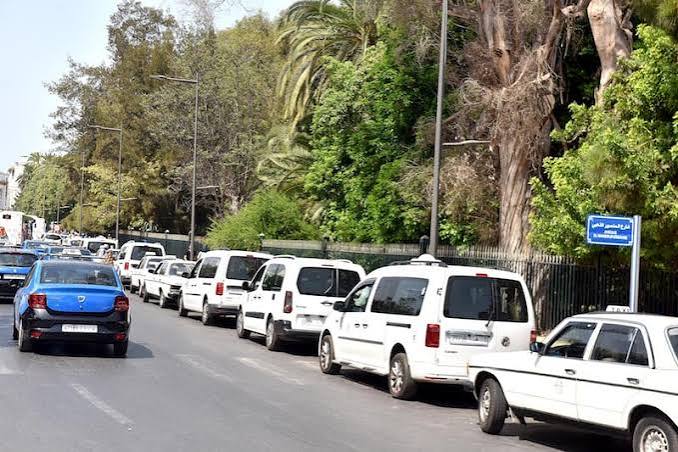
The public debate in Morocco is intensifying regarding the future of the economic licensing system, known as “Krimat”, in light of announced trends toward radical reforms in this vital sector. These orientations were highlighted during parliamentary discussions, where data related to public policy indicates efforts to end the traditional licensing system and replace it with a regulatory framework based on specifications (cahier des charges).
This debate comes in the context of a continuous process that began in recent years to limit the manifestations of economic rent. The recent period has seen measures related to the immediate withdrawal of operating licenses in the event of death, the prohibition of their transfer or sale, and the limitation of their inheritance to strictly defined social and professional cases, such as widows without income, children with disabilities, or children who actually worked as drivers during the lifetime of the original beneficiary.
This expected reform is not limited to the taxi sector alone; available data suggests it will extend to other sectors historically managed through licensing, such as maritime fishing licenses and sand quarrying. According to public policy observers, this transformation aims to ensure equal opportunities, link benefits to clear obligations, and improve the quality of services provided to citizens, away from the logic of rent-seeking.
The question remains among experts and professionals regarding the effectiveness of transitioning to a system of specifications to address the chronic imbalances in these sectors, and the ability to create a competitive investment environment that serves the national economy and regulates access to these activities with clarity and transparency.







💬 Share your opinion
We welcome constructive opinions and ask you to maintain politeness.
0 comments