
When is feeling hungry in winter a trick played by the body?
With the arrival of winter, we may treat the recurring feeling of hunger as something normal, responding to it immediately by eating more. However, the desire to eat does not always reflect the body’s true need for energy; other factors such as lack of sleep, exhaustion, and stress may interfere with it, making it difficult for a person to understand what they really need. How can we accurately distinguish between real hunger and those other signals that constantly drive us toward food?
Lack of sleep increases appetite and manipulates hormones
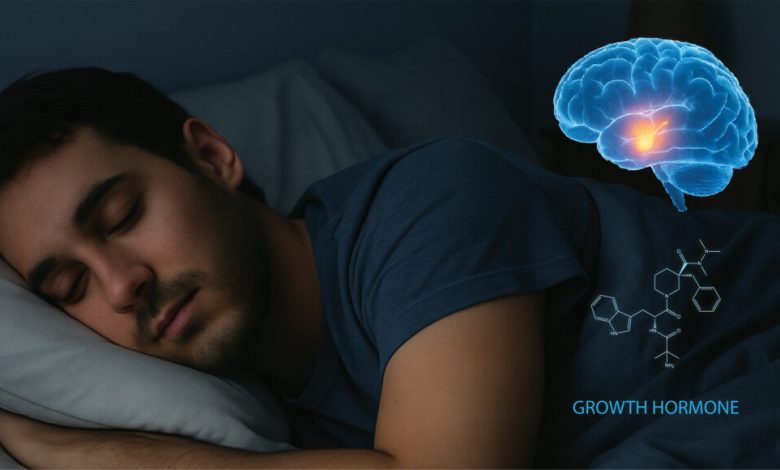
Lack of sleep directly and significantly affects the hormones that regulate appetite, as it raises levels of ghrelin, known as the hunger hormone, while lowering levels of leptin, which contributes to the feeling of satiety. As a result, our urgent desire to eat increases, even without a corresponding increase in the body’s actual energy needs.
It is not just about hormones; a scientific study published in Nature Communications in 2013 indicates that sleep deprivation clearly affects the brain’s response to food. Researchers observed a noticeable decrease in the activity of areas in the prefrontal cortex that contribute to evaluating food choices, coinciding with a clear increase in desire for high-calorie foods, which helps explain the strong link between lack of sleep and weight gain.
Exhaustion and mental effort: When the brain seeks quick pleasure
When sleep hours are reduced for several consecutive nights, making healthy food choices becomes very difficult, and the appeal of high-sugar and high-fat foods increases, as the brain tends by nature toward what gives it quick pleasure and reward. Thus, one gravitates toward sweets and high-calorie meals, and resorts to coffee and energy drinks to resist drowsiness.
In a related context, our desire to eat may increase during long periods of studying and exams, thinking that thinking and focus consume a huge amount of energy. But research proves that the increase in calorie consumption during mental effort is very limited and does not explain this great appetite for food alone. In a scientific experiment conducted by researchers at Laval University, it was observed that participants consumed extra calories after mental tasks, and it turned out that the real reason behind this was the stress associated with mental processes, not replenishing lost energy.
Is it real hunger, or just thirst or emotional desire?
Often, it may be difficult for a person to determine exactly what their body needs, so they resort to eating when they are actually in dire need of drinking water. Therefore, it is advised to pay attention to signs of thirst and fluid deficiency such as dry mouth, dark urine, and difficulty concentrating, while remembering that continuing to feel hungry after drinking water means there is an actual need for a meal.
In addition, we may resort to food in search of comfort and stress relief in what is known as emotional eating, the desire for which appears suddenly and urgently, directed toward specific foods like sweets and fast food. In contrast, true physical hunger develops gradually, and with it, diverse food choices seem acceptable. Hence the importance of pausing before eating and understanding the true signals of the body to ensure a healthy response to them.







💬 Share your opinion
We welcome constructive opinions and ask you to maintain politeness.
0 comments