
Morocco’s trade deficit jumps to 323 billion dirhams, pressured by energy and sulfur bills

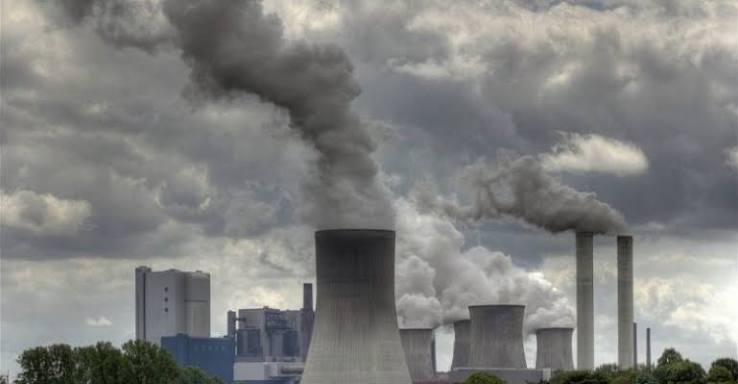
The Moroccan trade balance recorded an unprecedented deficit at the end of September, widening by 25.4 percent to reach a record level of 323.9 billion dirhams, as imports grow at a pace significantly higher than the increase in exports, according to statistical data issued by the Exchange Office.
Noticeable gap between import and export growth
The monthly bulletin issued by the government institution in charge of foreign trade statistics indicated that the value of Morocco’s imports reached 707.9 billion dirhams during the first nine months of the year, marking an increase of 17 percent compared to the same period last year. In contrast, exports rose by 10.7 percent, settling at 384 billion dirhams.
These indicators confirm the widening gap between the volume of imports and exports, despite the continued positive performance of some vital export sectors such as the automotive and aerospace industries, while the energy and raw materials bill, topped by petroleum products and sulfur, continues to weigh heavily on the trade balance.
The burden of the energy bill and petroleum product imports
Imports of petroleum products recorded a notable increase of 37 percent to reach 111.5 billion dirhams by the end of September, highlighting the negative role of the energy bill in the Kingdom’s trade, which relies primarily on importing its needs for refined fuels.
The suspension of the Samir refinery, currently under judicial liquidation, increases the Moroccan market’s dependence on imported petroleum products, making the energy bill more susceptible to sharp fluctuations in international prices, especially with the price of Brent crude reaching about $117 per barrel by the end of the week.
Historic jump in sulfur imports and repercussions on phosphates
The rise in imports was not limited to the fuel sector alone; imports of raw sulfur saw a massive jump of 175 percent to reach 30.9 billion dirhams. This record level reflects the magnitude of the pressures facing industries related to phosphates due to high raw material costs and ongoing disruptions in supply chains.
Sulfur and ammonia are essential inputs for the production of phosphate fertilizers, an industry led by the OCP Group. Supplies of these materials have been affected by the disruptions in shipping traffic through the Strait of Hormuz.
It should be noted that the increase recorded in the value of sulfur imports does not necessarily reflect a steady increase in the physical volume of imported quantities, as a large portion is linked to significant increases in international prices.
These pressures have directly reflected on the performance of the OCP Group, which was forced to reduce its production during the second quarter by about 30 percent, impacted by rising sulfur and ammonia costs and difficulties in securing sufficient shipments. The group’s exports by the end of September reached about 74.6 billion dirhams, recording a slight increase that did not exceed 0.2 percent.






💬 Share your opinion
We welcome constructive opinions and ask you to maintain politeness.
0 comments