How the UN Fourth Committee cemented the autonomy initiative for the Moroccan Sahara by a wide majority

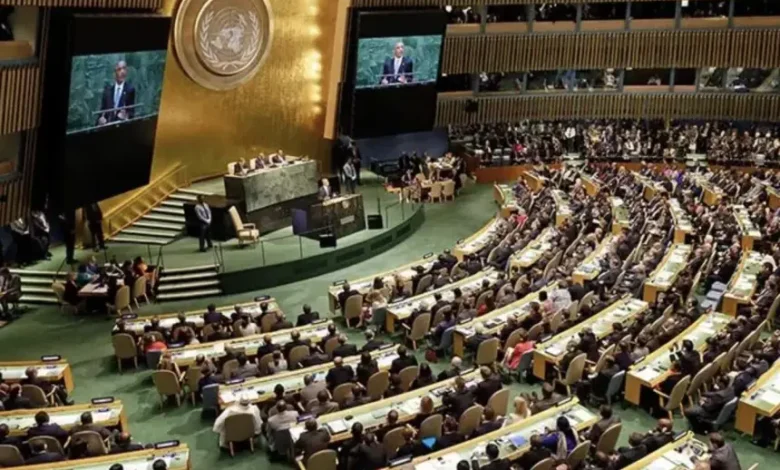
Resolution on the Moroccan Sahara adopted by an overwhelming majority in the UN Fourth Committee
The Fourth Committee of the United Nations General Assembly adopted its annual resolution on the Moroccan Sahara this Thursday, with the approval of 152 countries, including Morocco, against two votes against and seven abstentions. This move reflects ongoing international support for efforts aimed at finding a political solution to this regional conflict.
It is noteworthy that the adopted text was presented by the Senegalese president of the Fourth Committee, following the customary consensus-based practice observed since 2006.
Exceptional voting procedure at the request of the United States
This year, the text underwent an exceptional voting process at the request of the United States of America mission in the final moments. This measure applied to all 23 draft resolutions presented to the Committee, including those traditionally adopted by consensus.
This step reflects a general directive from the US State Department to mandate a vote on all resolutions of the six main committees of the UN General Assembly, covering issues of security, disarmament, sustainable development, human rights, as well as legal and budgetary affairs.
Reasons for Morocco’s vote in favor of the UN resolution
Morocco voted in favor of the text alongside 152 member states, based on several fundamental tenets that embody its consistent position:
First: The resolution issued by the Fourth Committee enshrines the historic content of UN Security Council Resolution 2703, which adopted the Moroccan Autonomy Initiative as the primary basis for any political settlement within the framework of Moroccan sovereignty, while renewing the call for the four parties concerned (Morocco, Algeria, Mauritania, and the Polisario) to engage in good faith.
Second: The text maintains its consensus-based character and consistency with resolutions adopted over the past two decades, with no new elements added other than a prominent reference to the most recent Security Council resolution.
Third: The resolution supports the ongoing political process under the supervision of the Personal Envoy of the UN Secretary-General, aiming to achieve a realistic, pragmatic, and sustainable solution.
Fourth: The text commends the parties’ commitment to political will and the continuation of dialogue without preconditions within the framework of intensive negotiations.
Fifth: The resolution falls under Chapter VI of the UN Charter, confirming that the issue remains within the logic of international peace and security based on dialogue and political negotiation.



💬 Share your opinion
We welcome constructive opinions and ask you to maintain politeness.
0 comments