
Danger: International scientific study reveals a surprise about the impact of hidden salt on liver health

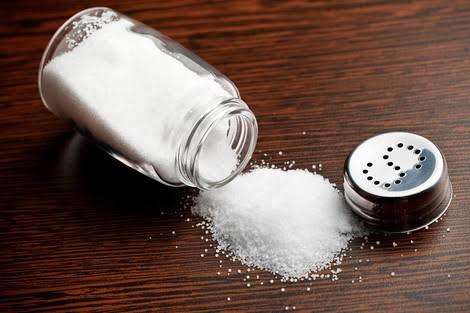
Fatty liver disease has long been associated with obesity, but a recent scientific study has uncovered a dietary factor that may contribute to severe forms even in thin individuals, raising new questions about health risks that develop without showing on the scale.
The study, conducted by researchers at the Duke-NUS Medical School in Singapore, with participants from University College London and other institutions, found that excessive salt consumption may play a role in triggering inflammation and scarring of liver tissue, even when fat accumulation is limited.
The findings, published in the journal Molecular Metabolism, involved mice models of metabolic dysfunction-associated steatohepatitis (MASH). Researchers discovered that mice fed high levels of salt experienced significant liver inflammation and fibrosis, despite not being obese.
Lead researcher Dr. Chu Jin explained that the results suggest biological differences in liver inflammation between thin and obese individuals, noting that excess salt alters how the liver handles fat and activates immune pathways that cause inflammation.
This discovery is significant as it may help explain why some normal-weight patients develop serious liver complications and may lead to more appropriate treatments for this group. While clinical trials in humans are still required to confirm these findings, the study highlights the importance of monitoring daily salt intake, much of which is hidden in processed foods. The UK’s NHS recommends adults consume no more than 6 grams of salt per day.






💬 Share your opinion
We welcome constructive opinions and ask you to maintain politeness.
0 comments