
Amnesty International criticizes Algeria’s push to expand the death penalty for arson cases

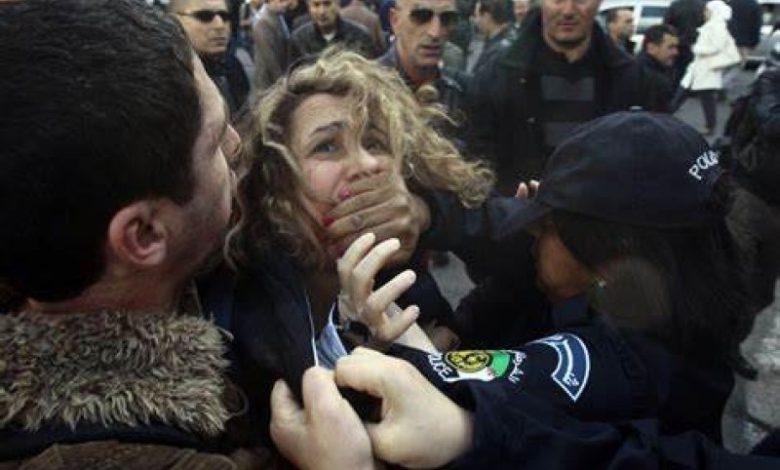
International warnings over the return of death penalty executions in Algeria
In a move that has sparked widespread concern among human rights organizations, Amnesty International has expressed its strong opposition to the Algerian authorities’ intentions to reactivate the execution of the death penalty, following the recent wave of wildfires in the country. These statements come as Algeria prepares to amend its Penal Code to impose maximum sentences on those proven to be involved in intentionally starting fires or inciting others to do so.
Background of the decision and expansion of sanctions
The official Algerian measures are based on directives from President Abdelmadjid Tebboune, who emphasized the necessity of applying the penalty to those responsible for arson and the abduction of minors, considering these crimes a threat to the country’s unity and security. According to reports, the government has begun studying a draft of legal amendments, raising fears that Algeria may shift from a “de facto moratorium” on executions, which has been in place since 1993, to the actual implementation of sentences.
Amnesty International’s stance and human rights obligations
Nadjat Al-Ahmar, researcher on Algeria at Amnesty International, considered this trend a “severe regression” that not only contradicts the right to life but also clashes with Algeria’s international obligations and its repeated voting in favor of UN General Assembly resolutions calling for a halt to executions. The organization asserts that the death penalty is not a deterrent solution but a grave violation of fundamental rights.
Legal implications and societal debate
This discussion coincides with concrete judicial actions, as the public prosecution announced that a number of suspects in arson cases have been placed in pretrial detention on charges related to acts of sabotage linked to terrorism. While authorities assert they are relying on scientific evidence and confessions, the families of some detainees have objected to the public naming and shaming of their relatives before final court verdicts are issued, upholding the presumption of innocence.
Historical context of the death penalty file in Algeria
Amnesty International figures indicate that there are currently about a thousand people on death row in Algerian prisons, living in a state of legal uncertainty. The organization frequently recalls the long path toward the definitive abolition of this penalty, arguing that any retreat from the current moratorium policy opens the door to complex political and human rights issues, especially as authorities link the fires to elements described as “criminal” attempting to undermine stability.






💬 Share your opinion
We welcome constructive opinions and ask you to maintain politeness.
0 comments