
Italian MEP stirs controversy in European Parliament by describing Ceuta as a colonial vestige

Legal and historical controversy over the status of Ceuta in the European Parliament
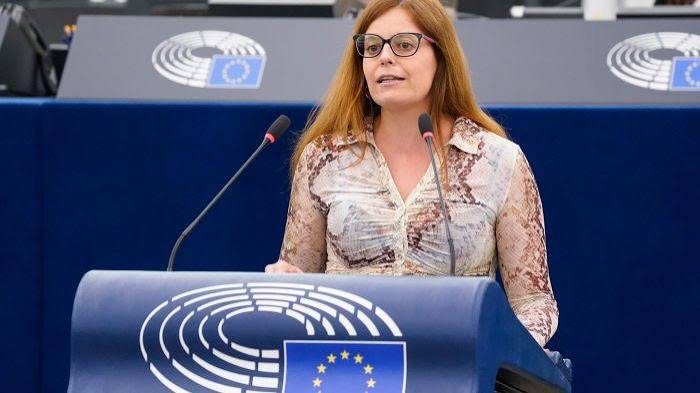
The recent debate session in the European Parliament regarding the crisis related to the city of Ceuta has seen a remarkable development in the arguments presented by some European lawmakers. Italian MEP Ilaria Salis brought the issue of the city’s status back to the discussion table, describing it as “vestiges of European colonialism” in our current time.
Salis’ statements revive the “colonialism” debate regarding the enclaves
The Italian MEP’s intervention came in the context of broader debates in the European Parliament concerning the Ceuta crisis, adopting a historical and political approach that considers the continuation of the city under Spanish sovereignty as an unresolved colonial legacy. These statements indicate the existence of a current within the European legislative institution that links the status of these areas to concepts of old colonialism.
Context of the Ceuta controversy in Brussels
This is not the first time the European Parliament has addressed the file of the two occupied cities, but the direct linking of Ceuta to the concept of “colonial remnants” by an Italian MEP adds a new legal and political dimension to the debate, especially in light of the geopolitical shifts occurring in the region. Despite differing views within Parliament, the use of such terminology places the Spanish position before human rights and historical challenges that could further complicate European interpretations of the reality of the enclaves in northern Morocco.






💬 Share your opinion
We welcome constructive opinions and ask you to maintain politeness.
0 comments