
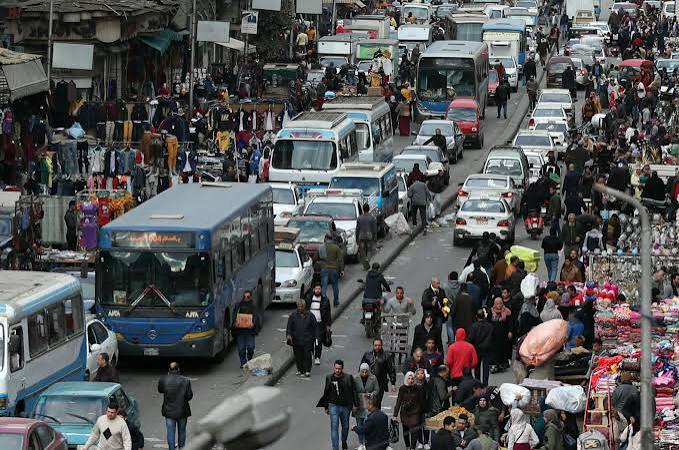
Stifling economic crisis in Egypt: Between the decline of tourism and the burden of taxes
Egypt has recently been witnessing unprecedented economic pressures, as the national economy finds itself at a crossroads with the decline in foreign currency inflows, especially from the tourism sector, which is one of the main pillars of national income. This decline has pushed the authorities to rely heavily on tax collection, increasing the suffering of the ordinary citizen who is struggling to keep up with successive waves of price hikes.
The collapse of the pound and the reality of cash reserves
The collapse of the Egyptian pound’s value against foreign currencies is the main driver of rising inflation rates, as citizens’ purchasing power has lost significant value. In light of reports indicating a state of “exhaustion” in the Central Bank’s cash reserves, the government appears to be in a race against time to provide the necessary liquidity to import essential goods and pay international obligations, reducing the maneuvering space available to decision-makers.
Reliance on taxes: A policy of direct austerity
With shrinking tourism resources and volatile portfolio investments, the state has resorted to expanding the tax base and imposing new fees on various services and goods. Experts view this approach as a “double-edged sword”; it provides immediate cash flows to the public treasury, but at the same time, it directly pressures the consumption capacity of citizens, leading to a recession in local markets and a slowdown in private production.
An ambiguous future in light of structural challenges
The current economic landscape goes beyond a mere passing crisis; it reflects a structural imbalance that relies on debt and taxes rather than production and exports. With the continued decline in tourism revenues due to regional tensions and global conditions, the Egyptian citizen finds himself in direct confrontation with the bill for economic reforms, which often lack an effective social safety net to protect him from market fluctuations and the erosion of savings.
In conclusion, all eyes remain on the upcoming measures of the Central Bank and the government, amid demands for the necessity of diversifying national income sources and alleviating the tax burden on the middle and poor classes, who are paying the highest price for the economy’s survival under these difficult conditions.






💬 Share your opinion
We welcome constructive opinions and ask you to maintain politeness.
0 comments