A qualitative shift in Moroccan defense capabilities attracts the attention of the northern neighbor
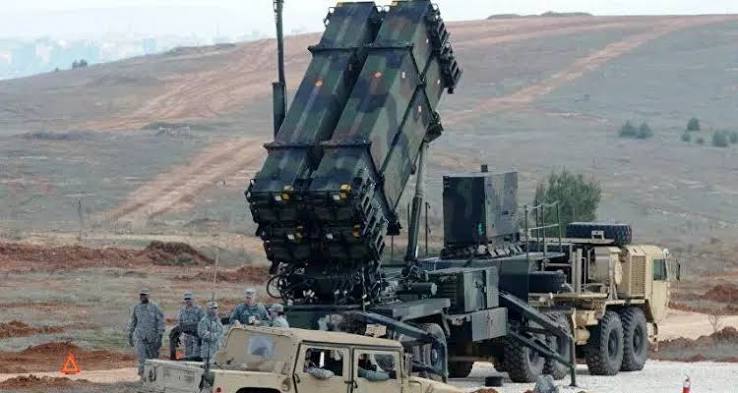
Moroccan military spending has seen a remarkable upward trend in recent years, with the Kingdom allocating huge budgets to develop its defense arsenal. The ratio of spending to GDP now significantly exceeds that of neighboring Spain. These moves have triggered widespread debates within the decision-making centers in Madrid, which is facing growing pressure to develop its military capabilities and meet its commitments within NATO.
Figures reveal Morocco’s strategic superiority
Data based on reports from the Stockholm International Peace Research Institute (SIPRI) indicate that Morocco has allocated 5.6 billion euros to strengthen its defense sector, equivalent to about 3.5% of its GDP. In contrast, Spain remains at approximately 2%, placing Madrid in a position that requires a comprehensive strategic review of its defense budget in light of surrounding security threats and geopolitical shifts in the Western Mediterranean.
Modernizing the arsenal: more than just financial spending
The Moroccan transformation is not limited to numbers; it encompasses a broad strategy to modernize defense systems, particularly in the fields of air forces and long-range defenses. The Kingdom has invested in acquiring advanced-generation fighters such as the F-16 Block 72, as well as AH-64E Apache attack helicopters, sophisticated radar systems, and HIMARS rocket artillery systems. These deals reflect a Moroccan trend toward asserting technical and military sovereignty in the region.
The shadow of Ceuta and Melilla on military balances
This military development cannot be separated from the pending files between Rabat and Madrid, chief among them the issue of Ceuta and Melilla. While Moroccan authorities reaffirm their firm positions on the recovery of the two cities as part of their historical and geographical rights, Spanish political and military circles are showing growing concern. For its part, the Spanish Foreign Ministry insists on its strict stance that the cities are an integral part of Spanish sovereignty and European borders.
Conclusion: security challenges in the balance of power
These developments place Spain in a real dilemma between the need to comply with NATO requirements and monitoring the Moroccan military rise, which is changing the rules of the game in its immediate surroundings. With the persistence of thorny issues such as immigration and security, the landscape in the Western Mediterranean remains subject to rapid variables, as each state seeks to secure its strategic interests in a regional environment characterized by rising competition.





💬 Share your opinion
We welcome constructive opinions and ask you to maintain politeness.
0 comments