
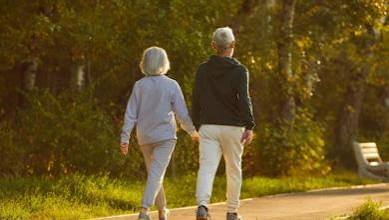
Why does our movement speed change as we age?
Many observe that walking pace slows down with aging, a phenomenon that piques the curiosity of researchers and public health experts alike. Slower walking is not merely a transient phenomenon, but the result of a complex interaction between physiological and neurological changes within the human body.
Muscular and Skeletal Changes
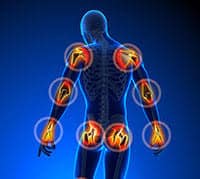
Over time, the body gradually loses muscle mass, especially in the lower limbs, a condition known medically as “sarcopenia.” This muscle weakness makes steps less powerful and shorter, forcing individuals to walk more slowly to maintain balance. Additionally, joint flexibility and tendon stiffness affect the natural fluidity of movement.
The Role of the Nervous System in Rhythm Control
The nervous system plays a pivotal role; the speed of nerve signal transmission from the brain to the muscles slows down. This change in motor coordination makes the body more cautious: the brain sends signals to reduce speed as a defensive mechanism to avoid tripping or falling, which explains the shift in gait pattern among the elderly.
External Factors and Their Impact
Studies indicate that general health and chronic illnesses, such as arthritis or vision problems, contribute directly to slower walking. When a person feels instability or pain, they subconsciously reduce their speed to increase stability. Maintaining physical activity and performing targeted muscle-strengthening exercises can help maintain a natural walking pace for a longer period.
Conclusion
Slower walking is a natural process imposed by age-related changes on various body systems. Nevertheless, regular walking remains the best way to preserve mobility and bodily vitality for as long as possible.






💬 Share your opinion
We welcome constructive opinions and ask you to maintain politeness.
0 comments