Radical shift in Moroccan consumer behavior toward green mobility
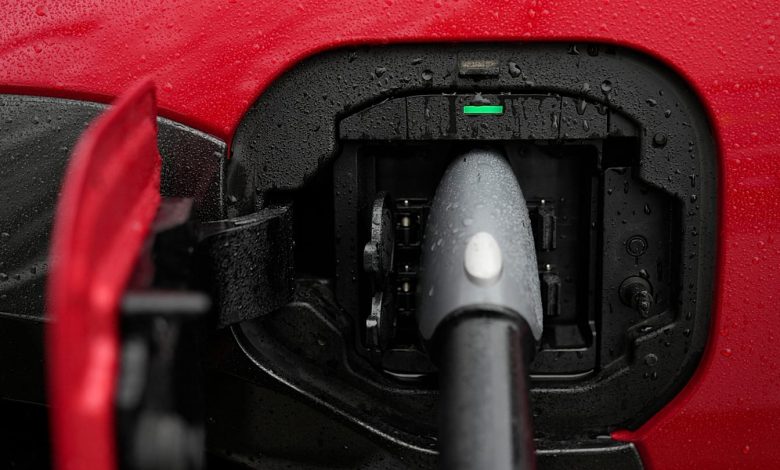
It seems that the repercussions of the Hormuz Strait crisis are no longer limited to global energy markets, but have begun to directly touch the pockets of Moroccan citizens, causing a radical change in their purchasing trends within the automotive market. With the notable rise in fuel costs, the search for economic alternatives has become a necessity rather than a luxury, with electric and hybrid vehicles taking center stage as the optimal solution to reduce monthly transportation bills.
Record numbers reflect the accelerated transition to electricity
Statistical data for the automotive market in Morocco during the first half of 2026 indicate a qualitative leap; sales of vehicles equipped with electric propulsion systems exceeded the threshold of 19,611 units. This figure represents a remarkable growth of 97.1% compared to the same period last year, with Plug-in Hybrid vehicles recording the highest growth levels, exceeding 170%. These figures clearly reflect the consumer’s desire to move beyond total dependence on fossil fuels.
Between profit and loss: why are Moroccans changing their cars?
For the Moroccan citizen, it is not so much a matter of technological luxury or environmental protection as it is a purely economic calculation. After diesel prices neared the 13 dirhams per liter mark in March 2026, and with persistent market volatility during the summer, the fundamental question resonating in families’ minds is: “Does the electric car offer lower operating costs in the long run?”. This new awareness of total cost of ownership has pushed a wide segment of consumers to reconsider their traditional choices.
Market challenges on the road to energy transition
Despite this growing appetite and the variety of brands that have recently entered the Moroccan market to enhance competition, the path toward widespread adoption of electric vehicles still faces fundamental challenges. In addition to the higher initial purchase cost compared to traditional vehicles, issues regarding “battery range” and the need to expand the network of fast-charging stations in various regions stand out as critical to encouraging long-distance travel.
Conclusion: do crises impose a new reality?
In conclusion, it can be said that the Hormuz crisis, despite its geopolitical dimensions, is acting as an indirect catalyst to accelerate the energy transition in Morocco’s transport sector. If oil prices continue their volatile trajectory, the coming years are expected to see a greater presence of electric cars as an integral part of the Moroccan road landscape, forcing sector players and official institutions to support this growing demand with appropriate infrastructure.





💬 Share your opinion
We welcome constructive opinions and ask you to maintain politeness.
0 comments