
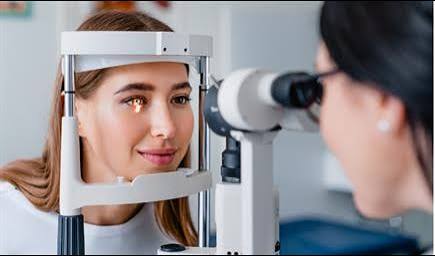
New discovery links eye health to mental health
We have long considered depression to be a psychological disorder centered on emotions and mood. However, recent scientific research is painting a completely different picture. Modern studies have shown that the effects of depression reach beyond the psychological state to affect vital areas of the brain, directly influencing how we perceive the world around us through our sense of sight.
Can the eye reveal depression?
Scientific data indicates that visiting an optometrist could, in the future, become an unconventional method to contribute to the diagnosis of depression. This is due to the complex neural links between the eye and the brain; when a person experiences depression, it is not limited to sadness, but extends to changes in the brain areas responsible for processing visual information and memory.
Effects of depression on the brain and memory
Studies have revealed that depression causes an “erosion” or alterations in specific areas of the brain responsible for memory storage and the processing of sensory input. This change explains why some people with depression describe the world as feeling “dull” or less vibrant. This flaw in visual perception is not a mere illusion, but a tangible reflection of the impact of psychological disorders on brain structure.
Future outlook for early diagnosis
Experts confirm that these findings could revolutionize methods for the early detection of mental disorders. Instead of relying entirely on behavioral evaluation, we may soon be able to use precise eye exams to discover biomarkers that suggest brain changes associated with depression. This approach enhances the chances for rapid therapeutic intervention and prevents the condition from progressing to more complex stages, confirming that mental health is an integrated system where all the body’s senses are linked to higher brain functions.







💬 Share your opinion
We welcome constructive opinions and ask you to maintain politeness.
0 comments