
Concerns among Doukkala farmers as potato crops are infected with infectious Rhizoctonia fungus

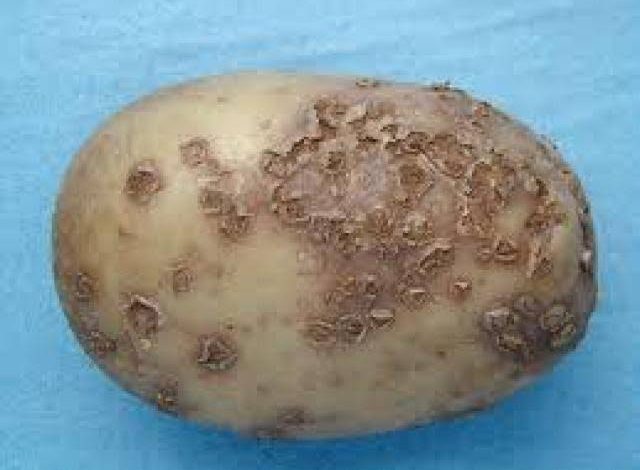
Concerns among Doukkala farmers regarding the potato harvest
Recently, questions and concerns have risen among farmers in the Doukkala region regarding the quality and health of the potato harvest, following reports of the spread of a fungal disease known as “Rhizoctonia” (Rhizoctonia solani). This fungus is considered one of the common pests that affect root and tuber crops, raising anxiety about its impact on productivity and yield in one of the most important agricultural regions in Morocco.
What is Rhizoctonia and how does it affect the crop?
Rhizoctonia is classified as one of the dangerous soil-borne diseases that attack “potatoes” in their early growth stages. This fungus causes cankers on shoots and stems below the ground surface, which can lead to seedling death or weak tuber development. Agronomically, the spores of this fungus live naturally in the soil for many years, and activate and spread based on specific environmental factors such as temperature and soil moisture.
Analysis of the causes of the spread and the mystery surrounding the phenomenon
Although news is circulating about the spread of this disease in Doukkala farms, the exact reasons behind its significant outbreak remain a matter of question. Agricultural experts point out that the Rhizoctonia fungus is closely linked to soil conditions and certain agricultural practices. In the absence of official clarifications so far regarding the “source” of the disease in this specific case, it is likely that recent climatic factors or the quality of the seeds used played a role in creating the appropriate conditions for the activity of this deadly fungus.
Specialists emphasize that Rhizoctonia infection requires a strict preventative strategy, starting with the selection of healthy and treated seeds, and ending with ensuring good drainage of water in the soil, because excess moisture is the ideal environment for the multiplication of this type of fungus. It is also always recommended to follow a proper crop rotation to reduce the accumulation of pathogens in the agricultural soil.
Conclusion and current situation
As of this writing, field reports from the Doukkala region still speak of potential impacts of this disease on harvest quality. Waiting for the assessment of specialists and relevant agricultural services remains the only way to obtain accurate data on the size of the infection and its extent, away from exaggeration, with the aim of taking the necessary measures to protect the agricultural sector in the region.






💬 Share your opinion
We welcome constructive opinions and ask you to maintain politeness.
0 comments