
Morocco strengthens its football influence on the African continent with significant participation in Abuja

Significant presence in Abuja: Morocco shapes the future of African football
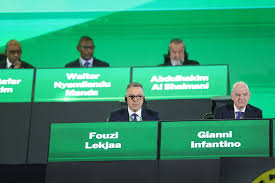
In a step that reflects the scale of the role Morocco is now playing in the continental sports arena, the Nigerian capital Abuja witnessed the active participation of the Moroccan delegation during the 48th Ordinary General Assembly of the Confederation of African Football (CAF). This presence was not merely ceremonial; rather, it reflected the Kingdom’s growing institutional weight in the corridors of football decision-making.
Fouzi Lekjaa, President of the Royal Moroccan Football Federation, represented Morocco at this continental gathering, alongside CAF President Patrice Motsepe, FIFA President Gianni Infantino, and representatives of 54 national associations. This scene confirms Morocco’s transition from a mere participant to a strategic actor in shaping the continent’s sports policies.
Investing in infrastructure: The cornerstone of football influence
Observers emphasize that Morocco’s achievements have not come from a vacuum, but are the result of years of hard work across multiple levels. Morocco has invested heavily in sports infrastructure, developed its professional system, and successfully organized major events, earning the respect of international and continental bodies. Moving from a country waiting for decisions to one participating in making them reflects a clear national strategy aimed at putting Morocco at the forefront of the football scene.
Beyond African leadership: Does Morocco seek global influence?
In light of this strong presence within CAF’s machinery and continuous coordination with FIFA, the sports public raises a fundamental question about Morocco’s ability to transcend African leadership and influence global decision-making centers. Press analyses indicate that the experience gained by Moroccan officials in football administration and Morocco’s positive reputation among international bodies could pave the way for the Kingdom to contribute more to decisions concerning global football, especially with projects to host major international events, chief among them the 2030 World Cup.
Ultimately, the presence in Abuja is one link in a long chain of institutional efforts that turn Morocco into a major force, widely acknowledged on the map of African football, as it awaits even larger steps that could lead the country to a genuine impact on the strategic direction of the sport worldwide.


💬 Share your opinion
We welcome constructive opinions and ask you to maintain politeness.
0 comments