
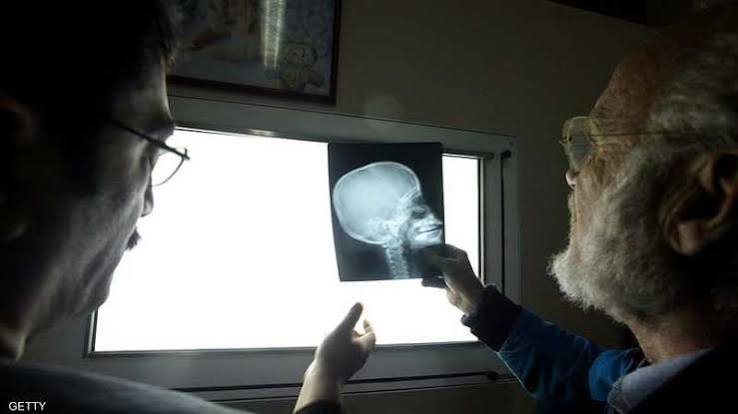
The habit of cracking the neck is a common behavior used by many to get rid of stiffness or muscle tension. However, the medical community is once again issuing serious warnings about this practice, which, behind its characteristic sound, may hide significant health risks to the body.
Medical dimensions of the neck cracking phenomenon
General medical data indicates that the sound accompanying neck cracking is caused by gas bubbles bursting within the synovial fluid surrounding the facet joints of the cervical vertebrae. Although this sound may provide a temporary feeling of relief or relaxation, relying on this habit repeatedly without medical or professional supervision may lead to completely counterproductive results in the near and long term.
Potential risks to arteries and blood vessels
Specialists in neurosurgery and orthopedics warn that violent or sudden movements while cracking the neck can cause abnormal pressure or micro-tears in the main blood vessels, specifically the carotid or vertebral arteries that supply the brain with blood and oxygen. Such injuries, while rare under normal circumstances, carry the potential for blood clots associated with serious health complications.
Negative effects on neck ligaments and joints
In addition to the risks associated with blood vessels, constant force applied to crack the neck leads over time to the relaxation of the ligaments supporting the cervical vertebrae. This relaxation causes the joints to lose their natural stability, making the neck more susceptible to premature wear, chronic muscle spasms, and increased pressure on adjacent nerve roots, which often translates into acute pain and difficulty in movement.
Preventive advice and guidelines for dealing with neck pain
In light of this data, doctors emphasize the need to abandon the habit of self-cracking the neck and resort to safe methods to relieve neck pain and stiffness, such as performing light exercises dedicated to strengthening neck muscles, correcting sitting posture during long working hours, and consulting physical therapists or specialist doctors if there is chronic pain requiring safe and calculated medical intervention, away from random practices.






💬 Share your opinion
We welcome constructive opinions and ask you to maintain politeness.
0 comments