

French authorities have announced the first known human infection of the Shamonda virus, a significant development for a virus that has been known for decades as strictly an animal pathogen. Official data indicates the infection was found in a severely immunocompromised patient who passed away in early October.
Nature of the virus and genetic strains in Europe
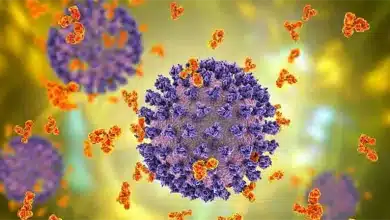
The Shamonda virus is an RNA virus belonging to the Orthobunyavirus genus and the Simbu serogroup, which typically affects ruminants. First isolated in Nigerian cattle in 1965, it emerged in European livestock in the summer of 2026, appearing in France, Germany, and Switzerland. Genetic analyses show the European strains are closely related to the historical Nigerian strain but exhibit unique variations that require further study.
Transmission and epidemiological status
Veterinary reports confirm the virus is primarily transmitted among animals by biting midges of the Culicoides genus. Regarding the human case, investigations are ongoing, with the hypothesis that the patient was bitten by a carrier insect in eastern France. The European Centre for Disease Prevention and Control (ECDC) has emphasized that there is currently no identified risk to the general population.
Symptoms and available treatment
To date, it is not possible to establish a reliable list of symptoms for human Shamonda virus based on a single, medically complex case. There is currently no specific antiviral medication or approved human vaccine. Medical care is restricted to supportive treatment and symptom management. Health authorities advise against the use of any antibiotics or medication without a specific medical diagnosis and prescription.




💬 Share your opinion
We welcome constructive opinions and ask you to maintain politeness.
0 comments