
Unexpected link between gut health and knee osteoarthritis pain relief: A new scientific discovery

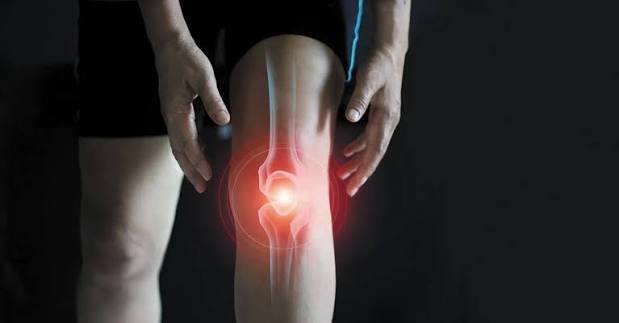
Scientific discovery links the ‘gut-muscle axis’ to joint pain relief
In a remarkable scientific development that opens new horizons in understanding joint diseases, a recent study has revealed the pivotal role of ‘inulin’ fibers in alleviating symptoms associated with knee osteoarthritis. This discovery highlights the ‘gut-muscle axis’ and suggests that the path toward improving our joint health may begin within our digestive system.
How do inulin fibers influence body strength and pain?
The clinical trial included 117 participants suffering from knee osteoarthritis, who underwent various programs including taking 20 grams of inulin daily, physical therapy exercises, or a combination of both. The results showed that consuming these fibers, which act as prebiotics to nourish beneficial bacteria, was associated with a noticeable improvement in indicators of pain sensitivity and handgrip strength.
Researchers explain this phenomenon by the rise in levels of butyrate and the hormone GLP-1 in the body. These are vital compounds produced thanks to the activity of intestinal bacteria, playing a direct role in supporting physical strength and reducing inflammation.
Natural sources of prebiotic fibers
To obtain these fibers naturally, nutrition experts advise including certain foods in your daily diet, such as:
Onions and garlic, bananas, oats, barley, asparagus, and legumes.
These foods are rich sources of fermentable fibers that act as essential fuel for friendly bacteria in the gut, thereby enhancing the biological balance in the body.
Important warnings before adopting these recommendations
Despite the encouraging results, the study authors emphasize that inulin is not a substitute for approved medical treatments for knee osteoarthritis or specialized exercise programs. Doctors also warn that taking high-dose fiber supplements may lead to digestive disturbances such as bloating and gas.
Conclusion: These findings are still in the stage of scientific research and require longer and broader studies to confirm their interactive efficacy. Therefore, it is always recommended to consult your doctor or nutritionist before adding any new supplements to your treatment regimen for knee osteoarthritis.






💬 Share your opinion
We welcome constructive opinions and ask you to maintain politeness.
0 comments