
Moroccan Christians petition the government to make Islamic education optional for their children

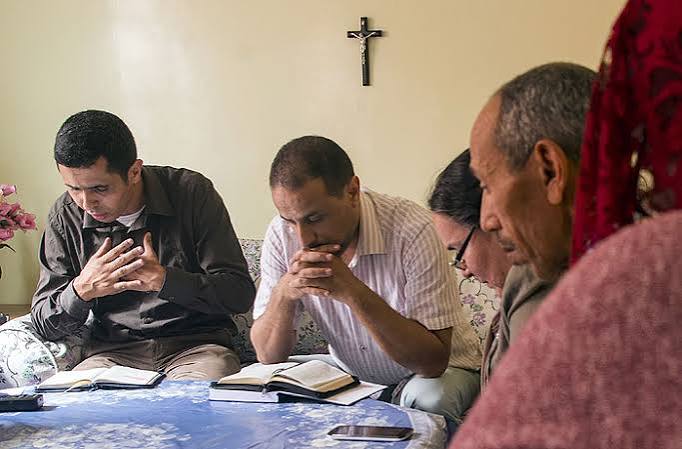
Official correspondence places the demands of Moroccan Christians on the government’s agenda
In a move reflecting an ongoing debate regarding individual and religious freedoms, the Moroccan Coordination of Christians and the Union of Moroccan Christians have submitted an official letter to the Head of Government. The document outlines a set of demands concerning the freedom to practice religious rites and the legal recognition of certain civil rights for adherents of this faith in the country.
This correspondence comes as part of these organizations’ efforts to represent the voices of Moroccan citizens who practice Christianity and to defend their rights to express their religious convictions publicly, in accordance with international human rights standards.
Key religious and civil demands
The requests detailed in the letter focus on several fundamental aspects of the daily and religious life of Moroccan Christians. The organizations are calling for the lifting of restrictions on religious practice and for permission to hold prayer and rituals publicly in churches.
On a civil and social level, the letter urges the authorities to find legal frameworks for registering marriages among Moroccan Christians, as well as the right to register children with Christian names in the civil registry—a point human rights advocates consider essential for preserving the religious identity of these families.
Education and burial rights included in the petition
The demands extend beyond worship and civil status to include the education sector and family rights. The signatories request that Islamic religious education not be mandatory and instead be made optional for their children, with the provision for Christian religious instruction in schools or designated settings.
In the same context, the two organizations called for the allocation of burial sites for their deceased that align with their rites—a significant challenge for the local Christian community given the current lack of dedicated cemeteries.
This letter serves as an expression of the demands of a segment of the citizenry, as stakeholders await official responses or broader societal discussions regarding the management of religious affairs and individual freedoms in Morocco.




💬 Share your opinion
We welcome constructive opinions and ask you to maintain politeness.
0 comments