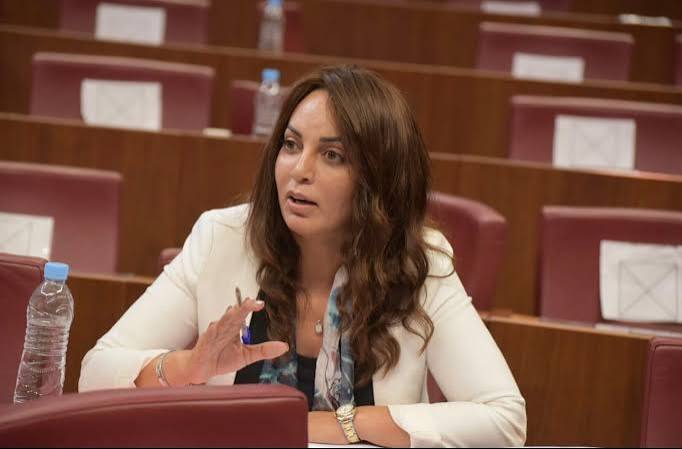
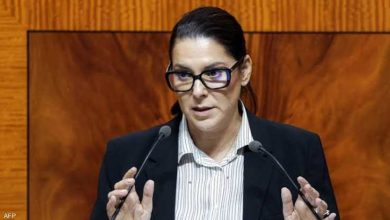
The name of Madiha Khair has emerged in the new governmental landscape as one of the female talents affiliated with the Istiqlal Party. She has been entrusted with the duties of Minister Delegate in charge of Vocational Training and Qualification within the government team led by Fatima Ezzahra El Mansouri, amid high expectations surrounding the development of this vital sector linked to the labor market in Morocco.
An Academic and Professional Path with Diverse Experience
Madiha Khair hails from the city of Kasba Tadla, where she pursued her secondary education and obtained her baccalaureate in 1995. Later, she moved to continue her higher education at the Higher School of Commerce in Casablanca, crowning her academic path in 2001 with a specialized diploma in foreign trade.
Professionally, Khair accumulated significant experience by working at the National Office of Airports (ONDA) between 2008 and 2017, before moving on to assume the responsibility of Secretary-General of the Mohammed VI International Academy of Civil Aviation from 2017 to 2021.
Partisan and Parliamentary Work
The Minister Delegate was trained within the structures of the Istiqlal Party, which enabled her to integrate into the management of local and national public affairs. Her political career was crowned by her election as a member of parliament for the Beni Mellal district during the 2021–2026 legislative term, where she participated effectively in parliamentary work, particularly in committees related to finance and economic development.
Hot Files and Structural Challenges in the Vocational Training Sector
At the helm of the vocational training and qualification sector, Madiha Khair faces a set of fundamental and urgent files, all of which aim to improve the quality of training and update curricula to accurately align with rapid economic and technological shifts.
The expected challenges also include strengthening the partnership between vocational training institutions and companies, expanding field training opportunities, and adopting a sandwich training system. In addition, according to sector observers, developing the competencies of trainers and modernizing equipment and workshops remain key requirements for raising the level of professional qualification in Morocco.



💬 Share your opinion
We welcome constructive opinions and ask you to maintain politeness.
0 comments