
Strict medical warnings regarding the risks of drinking cold water and its negative impact on the stomach, liver, and nerves

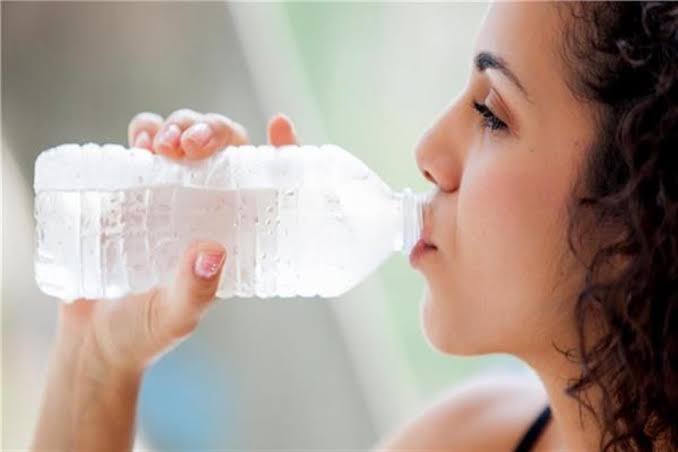
Introduction to warnings about drinking cold water
Recent medical discussion has shown increasing interest in data regarding the impact of cold water temperatures on the human body. In this context, there has been an increase in strict medical warnings indicating that the regular and excessive consumption of very cold water may lead to negative health repercussions affecting various vital organs, sparking calls to shed light on these daily practices.
Potential effects on the stomach and digestive system
General medical readings suggest that introducing very low-temperature liquids into the body can lead to abnormal contractions in the blood vessels of the stomach wall. This sudden constriction may interfere with the efficiency of the natural digestive process, causing uncomfortable cramps or slowing gastric emptying—factors that some specialists link to the development of long-term pathological symptoms.
The relationship between cold water, the liver, and the vagus nerve
Furthermore, reports indicate the potential for other internal organs, such as the liver and the nerves surrounding the digestive system, most notably the vagus nerve, to be affected. The sudden stimulation of this vital nerve due to the coldness of fluids can impact heart rate or cause feelings of dizziness. There are also concerns regarding chronic conditions or rare neurological disorders if exposure to these stimuli continues incorrectly and repeatedly.
Conclusion and preventive recommendations
In light of this data, experts emphasize the necessity of moderation in consuming drinks and suggest ensuring they are at room temperature to avoid unnecessary physiological stress on internal organs. These guidelines remain a proactive framework for health awareness aimed at preserving the body’s well-being and preventing any potential complications.



💬 Share your opinion
We welcome constructive opinions and ask you to maintain politeness.
0 comments