
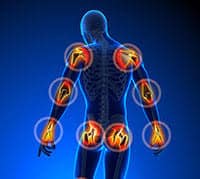
Introduction to Joint Pain
Joint pain is one of the most common health complaints in the modern era, directly affecting an individual’s quality of life and their ability to perform daily activities. This pain is not limited to the elderly but now affects various age groups due to changes in lifestyle and physical pressures.
Main Causes of Joint Pain
There are numerous factors that lead to joint pain, ranging from chronic conditions to sudden injuries. Among the most prominent causes:
Osteoarthritis: The gradual wear and tear of the cartilage that protects the ends of the bones, leading to friction and pain.
Rheumatoid Arthritis: An autoimmune disorder where the body attacks joint tissues, causing severe swelling and pain.
Sports Injuries: Such as ligament sprains or tendon tears due to intense or improper exercise.
Genetic Factors and Lifestyle: Excess weight, which puts extra pressure on the knee and hip joints, in addition to a lack of physical activity or prolonged sitting.
Treatment Options
The treatment of joint pain depends primarily on an accurate diagnosis, with treatment ranging from natural solutions to specialized medical interventions:
Lifestyle Changes: Maintaining a healthy weight, adjusting the diet to be rich in Omega-3 and anti-inflammatory substances, and engaging in low-impact exercises like swimming and walking.
Physical Therapy: Physiotherapy helps strengthen the muscles surrounding the joint, reducing pressure on it and increasing flexibility.
Pharmacological Treatments: Doctors may prescribe painkillers or non-steroidal anti-inflammatory drugs (NSAIDs). In some advanced cases, local joint injections are used.
Surgical Intervention: In cases that do not respond to traditional treatments, surgery, such as joint replacement, may be the final option to restore mobility.
When Should You See a Doctor?
It is essential not to ignore joint pain if it is accompanied by visible swelling, redness of the skin around the joint, or a fever. Early medical intervention contributes significantly to preventing the condition from worsening and ensures better long-term treatment outcomes.






💬 Share your opinion
We welcome constructive opinions and ask you to maintain politeness.
0 comments