
Strict medical warnings against consuming this common fruit with blood pressure, cholesterol, and depression medications

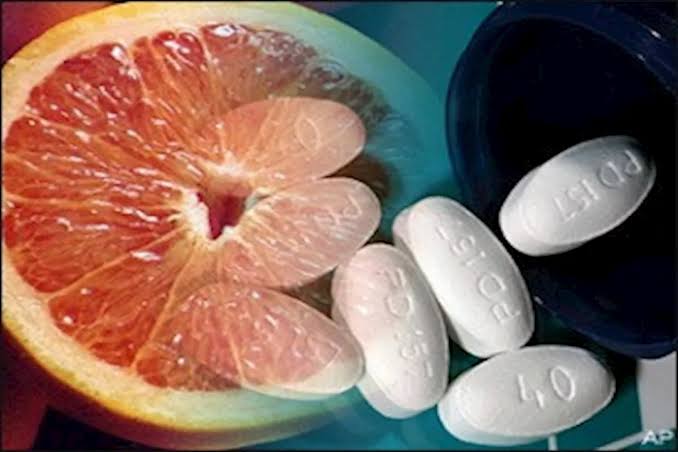
Many people include fresh fruits in their daily diet as a staple for health, without realizing that some natural components can directly interfere with the way medications work in the body. A medical expert has warned that consuming a specific type of fruit alongside common drugs for high blood pressure, cholesterol, and depression may lead to significant changes in drug concentration in the blood, increasing the risk of potentially dangerous side effects.
The role of grapefruit in drug metabolism
According to a report published by the British newspaper «Mirror», Dr. Nicole James, a former NHS professional, explained that grapefruit contains natural compounds capable of affecting a vital enzyme responsible for metabolizing many drugs. The expert points out that the problem lies in the chemical interaction that occurs between the fruit’s components and certain treatments.
Chemical mechanism and furanocoumarins
This phenomenon is caused by compounds known as «furanocoumarins», concentrated in grapefruit, which inhibit the activity of the «CYP3A4» enzyme in the intestine. This enzyme normally breaks down a portion of drug doses before they reach the bloodstream. When inhibited, higher-than-expected amounts of the drug enter the bloodstream, unexpectedly multiplying its effectiveness and side effects.
Drugs under the microscope
Among the drugs requiring attention is «atorvastatin», used to lower cholesterol, as grapefruit consumption can increase its concentration, leading to muscle pain or weakness. Similarly, warnings extend to blood pressure medications like «amlodipine», which can cause dizziness or severe blood pressure drops. Additionally, sedatives like «midazolam» and antidepressants like «sertraline» are on the list of treatments where grapefruit consumption should be avoided.
Lasting effects and patient advice
Notably, this chemical interaction does not end after a few hours; the inhibitory effect of grapefruit can last for up to three days until the body replenishes the enzymes. Therefore, simply spacing out medication and juice consumption does not guarantee safety. Patients are advised to read food labels on mixed juices and to disclose their dietary habits to healthcare providers.





💬 Share your opinion
We welcome constructive opinions and ask you to maintain politeness.
0 comments