Scientific experiments confirm that drinking water without thirst causes drops in blood pressure and sugar

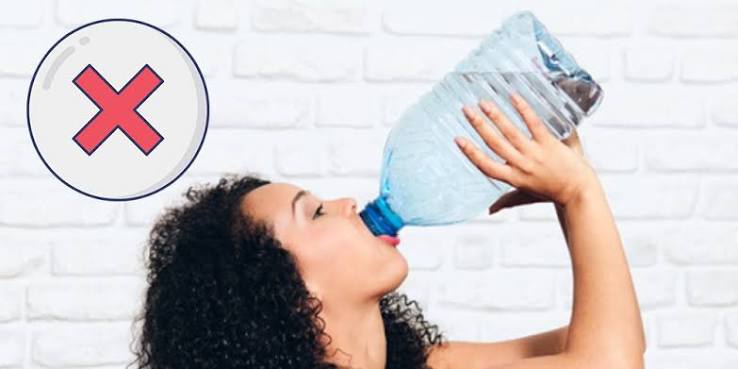
Introduction to the risks of excessive water consumption
Many people circulate advice regarding the need to drink massive and continuous amounts of water throughout the day, regardless of actual need. However, recent scientific data is shedding light on another aspect: the potential health risks resulting from excessive water consumption outside of the natural feeling of thirst, which may threaten the body’s internal balance.
The impact of drinking water without thirst on blood pressure and blood sugar
Scientific explanations indicate that introducing huge, successive quantities of fluids into the body without a biological need can impose a burden on vital systems. For instance, this excess may dilute the concentration of essential elements in the blood, including sugar levels and blood pressure, contributing to sudden drops that affect human vitality and cause general fatigue.
Imbalance of vital minerals in the body
In addition to the risks of low sugar and pressure, scientific experiments warn that drinking water without thirst can lead to a phenomenon medically known as dilution or deficiency of sodium and other essential minerals in the blood. When an individual consumes amounts exceeding the kidneys’ ability to process them, the balance of salts and minerals responsible for nerve signaling and muscle function is disrupted, negatively impacting general health.
The importance of listening to the body’s natural signals
Health and nutrition experts emphasize that the thirst mechanism created in the human body is an accurate and reliable indicator of the body’s true fluid requirements. Drinking water in response to actual thirst maintains the balance of water and minerals without causing shocks or disturbances in vital blood functions, avoiding erratic behaviors that might turn the benefits of water into health risks.




💬 Share your opinion
We welcome constructive opinions and ask you to maintain politeness.
0 comments