Preliminary indicators of a partial recovery in the Moroccan real estate market during the second quarter of 2026

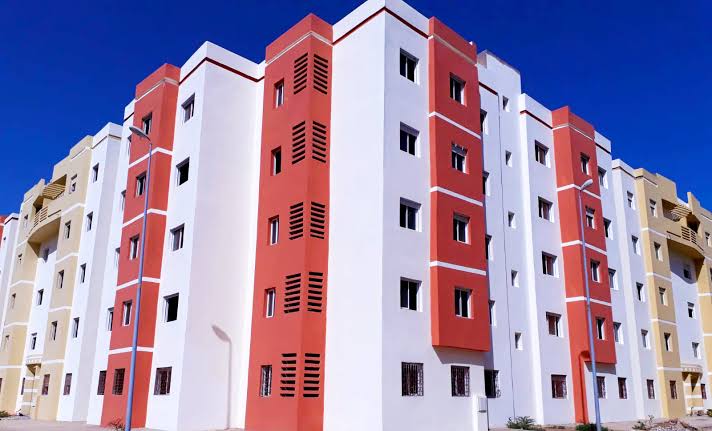
Initial positive indicators in the Moroccan housing sector
Official data shows that the Moroccan real estate market recorded preliminary indicators during the second quarter of 2026 reflecting a partial recovery in activity, following a sharp decline at the beginning of the year. This relative improvement is attributed to an increase in transaction volume and a limited rise in property prices, though observers note that these indicators are insufficient to confirm a sustainable and comprehensive recovery.
Transaction numbers and price trends between April and June
Between April and June, the volume of real estate transactions increased by 11 percent compared to the previous quarter, while the property price index saw a slight increase of 0.7 percent. This reflects an improvement following the severe contraction in the first quarter, which saw housing transactions fall by 38.4 percent, land transactions by 46 percent, and commercial real estate transactions by 40.2 percent.
Varied performance across property types and regions
Data suggests that this recovery is linked more to regaining lost activity from early in the year than to a fundamental shift in price trends. Disparities between cities and property types highlight ongoing heterogeneity within the real estate market. Residential property prices led the gains with a 1 percent increase, followed by land (+0.6%) and commercial real estate (+0.4%).
Performance of residential sector components
Apartment prices rose by 1 percent in Q2, compared to a 0.3 percent increase for houses and 3.3 percent for villas. On an annual basis, apartment prices increased by 1.1 percent, while house and villa prices declined by 0.7 percent and 0.3 percent, respectively, compared to Q2 2025.
Impact of the direct housing support program
This development occurs against the backdrop of the direct housing support program, which has now reached over 105,000 beneficiaries. Young people under 40 account for 52 percent of this group, while Moroccans residing abroad represent about 24 percent, underscoring the role of new demographics in supporting demand.
Future stakes and supply challenges
Providing a supply that matches the purchasing power and needs of buyers remains the primary challenge for the real estate sector in Morocco. Continued high demand in attractive areas, combined with limited supply in terms of price and location, may once again put pressure on prices in local markets.




💬 Share your opinion
We welcome constructive opinions and ask you to maintain politeness.
0 comments