Tensions within the Socialist Union: Will government participation save Driss Lachgar from the militants’ anger?

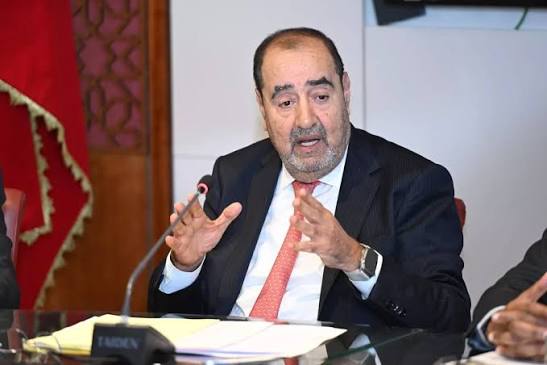
Rising organizational anger within the Socialist Union
Political and organizational debate continues within the Socialist Union of Popular Forces (USFP) regarding the party’s leadership future and the management of the next phase. Voices from within the organization are increasingly demanding a review of recent management, accountability for legislative election results, and the urgent convening of an extraordinary conference to reorganize the party’s internal affairs.
Meanwhile, consultations on participating in the upcoming government are a top priority on the party leadership’s agenda. This opens the door to widespread questions about whether this participation will provide an exit from the internal crisis or further fuel existing organizational and political differences.
Regional movements and opposition to management style
In this tense context, regional branches in Fes, Guelmim, and El Jadida have issued official statements calling for a review of various organizational and political aspects, as well as an open and transparent discussion on responsibilities linked to the recent legislative election results. Similar positions are expected from the Salé and Bejaad branches, coinciding with organizational mobilization among party bases in Casablanca, Rabat, and Laayoune.
Parallel to these developments, several female party officials, according to informed sources, are preparing to file a complaint with the Public Prosecution regarding the criteria for selecting women’s regional lists. These leaders argue that the selection process was marred by organizational irregularities, including what they describe as a reliance on financial criteria, which they believe warrants an investigation into compliance with political party laws and the party’s bylaws.
Absence of National Council meetings raises questions
These heated developments come at a time when, so far, no meetings of the party’s National Council have been held, unlike other political parties that rushed to convene their structures following the election results. This situation raises legitimate questions among the party base regarding the legitimacy of managing the next phase and the current leadership’s ability to handle future organizational and political challenges, especially amid ongoing government formation consultations.
Critics within the party argue that total focus on government participation negotiations, before resolving internal organizational files, may inevitably lead to postponing a real discussion on the reasons for the electoral setback, instead of focusing on comprehensive reform.
Scenarios of government participation and the future of leadership
Conversely, other parties within the Socialist Union suggest that securing a significant position in the next government might provide the party with new political leverage, helping its leadership overcome some internal pressures, especially if negotiations lead to a strong presence within the government majority.
However, this scenario poses deep internal political dilemmas. Some party officials consider through articles and posts that Driss Lachgar’s potential participation in the government could be interpreted as indirect political support for the current leadership’s continuation, at a time when voices calling for renewal are growing.
Criticism of the First Secretary is concentrated on his continuing for a fourth term at the head of the party, and what critics perceive as the concentration of organizational and political decisions in one hand, while the base insists on the necessity of opening a broad discussion on the electoral record and strengthening the independence of party institutions.




💬 Share your opinion
We welcome constructive opinions and ask you to maintain politeness.
0 comments