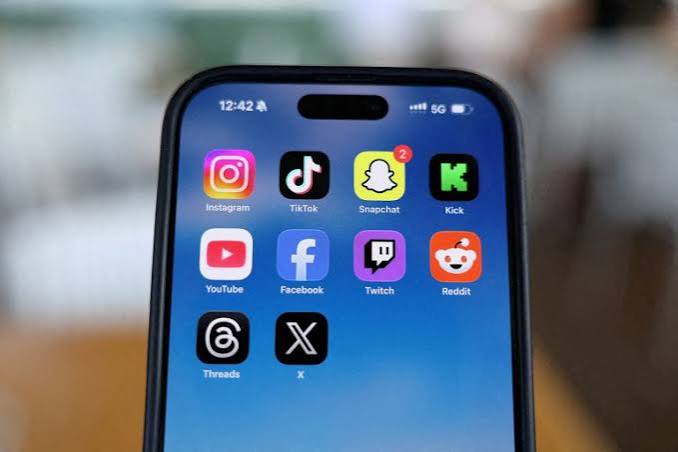
With the legislative elections approaching on September 23, the Moroccan political landscape has entered a phase of “digital fever.” Campaign rallies are no longer the only tool for winning voters’ trust; social media has become the primary engine for party strategies aiming to attract an electorate that is more connected to the virtual world than ever before.
From the Street to the Screen: A Shift in Communication Strategies
Despite the traditional importance of grassroots work, political parties have realized that the real battle is now being fought on Facebook, TikTok, and Instagram. These platforms are no longer mere entertainment tools but have become arenas for public debate, where platforms are showcased, slogans are crafted, and positions are presented in a serious attempt to convince youth to cast their ballots.
Digital Experts: Direct Interaction is Key
Experts in digital communication emphasize that the true power of these platforms lies in their ability to create immediate and direct interaction with citizens. On YouTube, the focus is on in-depth interventions, while short, impactful clips on TikTok are used to capture the attention of younger demographics, allowing candidates to personally understand their audience’s expectations.
The Digital Pulse: Youth Engagement
In a youth opinion poll, Reda (30) expresses how these tools facilitate access to political offerings, emphasizing that direct discussions motivate him to engage with programs focused on job market stimulation and social development. For his part, student Mohamed believes this digital openness reflects parties’ desire to address the concerns of the younger generation, welcoming the presence of young faces on electoral lists.
Numbers Confirm the Trend: Morocco at the Heart of Digitalization
This shift toward “digital political marketing” is not accidental; it is a response to technical reality. Data from the National Telecommunications Regulatory Agency (ANRT) indicates that internet penetration in Morocco has reached record highs, with over 41 million subscriptions and a penetration rate exceeding 111%. This widespread smartphone usage has made the digital space the most efficient arena for delivering electoral messages.
As Moroccans await the upcoming vote, the question remains: will this “digital battle” succeed in turning likes and virtual interactions into actual votes in the ballot boxes? The coming days will reveal the extent of this transformation’s impact on the map of national political competition.





💬 Share your opinion
We welcome constructive opinions and ask you to maintain politeness.
0 comments